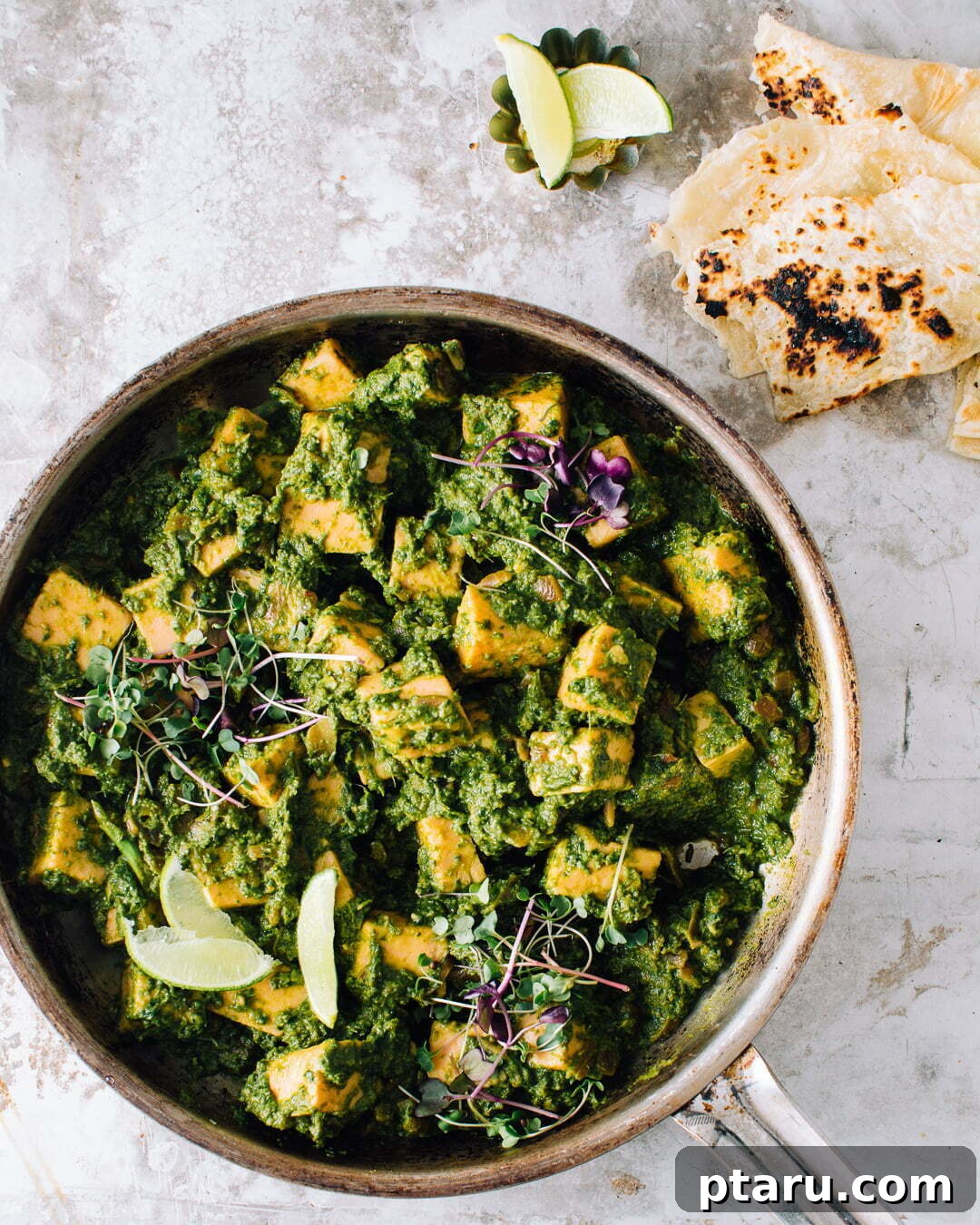
Embark on a culinary journey to Northern India with this authentic and incredibly easy **Saag Paneer** recipe. This beloved Indian curry, featuring tender paneer cheese nestled in a vibrant puree of spinach and other leafy greens, is a staple in Indian households and a favorite at restaurants worldwide. Prepare to discover a dish that is not only bursting with flavor but also surprisingly quick to make, proving that healthy vegetarian meals can be both comforting and exciting.
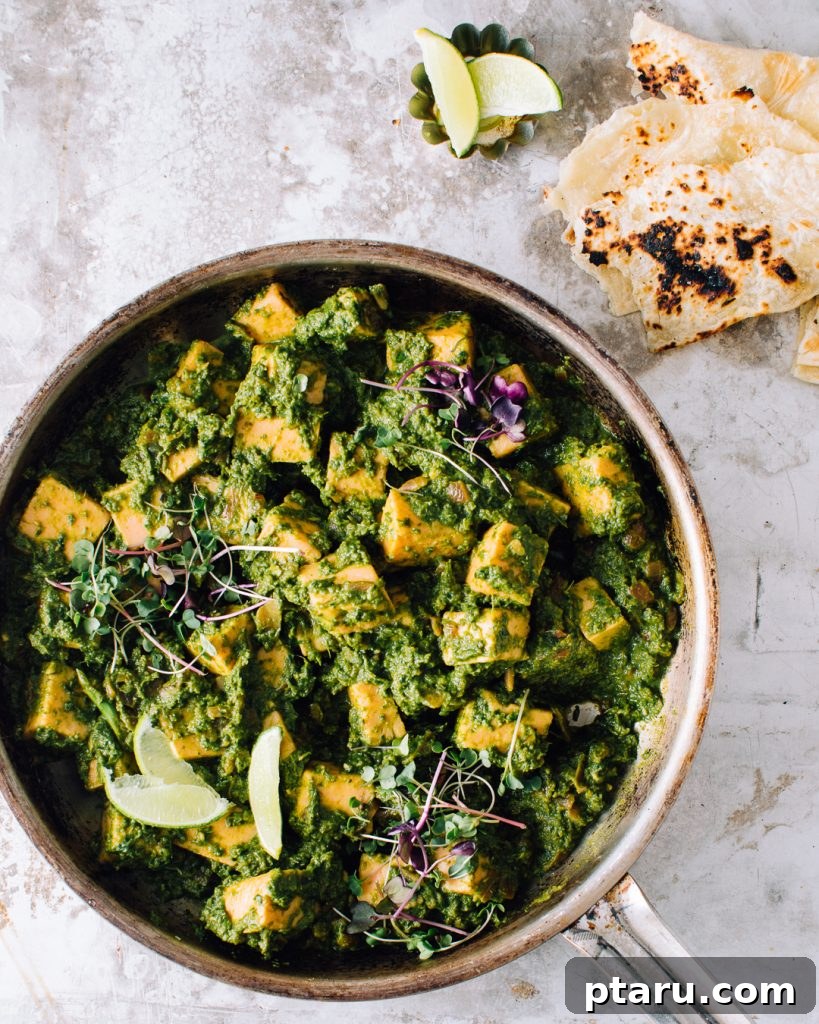
What is Saag Paneer? The Heart of Indian Green Curry
Saag Paneer, literally translating to “Greens-Cheese,” is a classic vegetarian curry from the northern regions of India. The term “Saag” refers to a medley of leafy green vegetables, most commonly spinach, but can also include mustard greens, kale, Swiss chard, or even beet greens. “Paneer” is the beloved Indian cottage cheese, a fresh, non-melting cheese with a wonderfully milky and mild flavor that perfectly complements the robust greens and aromatic spices.
Unlike many slow-simmered curries that demand hours of attention, Saag Paneer is a wonderfully bright, fresh, and relatively quick-cooking dish. It’s an ideal choice for a weeknight dinner or when you crave a taste of authentic Indian cuisine without the extensive prep time. This vibrant green curry offers a delicate balance of earthy greens, savory spices like ginger, garlic, cumin, coriander, and garam masala, all brought together in a smooth, rich puree. The cubed paneer, added towards the end, gently absorbs these flavors, becoming tender and creamy, making every bite an absolute delight. You’ll be amazed at how quickly even the most spinach-averse diners, young or old, will enjoy this incredibly flavorful dish.
Gather Your Ingredients for a Perfect Saag Paneer
Before diving into the cooking process, let’s assemble all the key ingredients needed to create this mouthwatering Saag Paneer. Each component plays a crucial role in building the layered flavors that make this curry so irresistible.
- Leafy Greens: While fresh spinach leaves are the classic choice, feel free to experiment with a mix of various greens. Frozen spinach works beautifully too; simply pour boiling water over it to thaw and prepare. Consider incorporating kale, Swiss chard, the tender tops from a bunch of beets, or traditional mustard greens (also known as mustard leaves), which can often be found in Indian grocery stores. A diverse blend of greens adds depth and complexity to the saag.
- Ghee (Clarified Butter): Ghee is a cornerstone of Indian cooking, known for its rich, nutty flavor and high smoke point. It’s essentially butterfat, with the water and milk solids removed through a slow simmering process. This results in a golden, aromatic oil that imparts unparalleled richness to the curry. If ghee isn’t readily available, you can substitute it with unsalted butter or your favorite high-quality cooking oil, though the flavor will be slightly different. Ghee is commonly found in Indian specialty stores and increasingly in larger North American supermarkets.
- Onions: The foundation of many Indian curries, onions are cooked down meticulously until they become incredibly soft, sweet, and golden. This slow caramelization is critical, as it provides a natural sweetness that beautifully balances the robust spices and earthy greens in the dish. Patience in this step is truly rewarded with a deeply flavorful base.
- Fenugreek (Methi): This unique spice, often called methi, carries a distinct, somewhat pungent aroma and a slightly bitter, earthy flavor. It’s a key component in many “curry powders” found in British and North American markets. If whole fenugreek seeds or powder are hard to source, a good quality curry powder (distinct from garam masala) can be used as a substitute to capture its essence. Alternatively, a handful of fresh fenugreek leaves, added with the other greens, will provide an authentic touch.
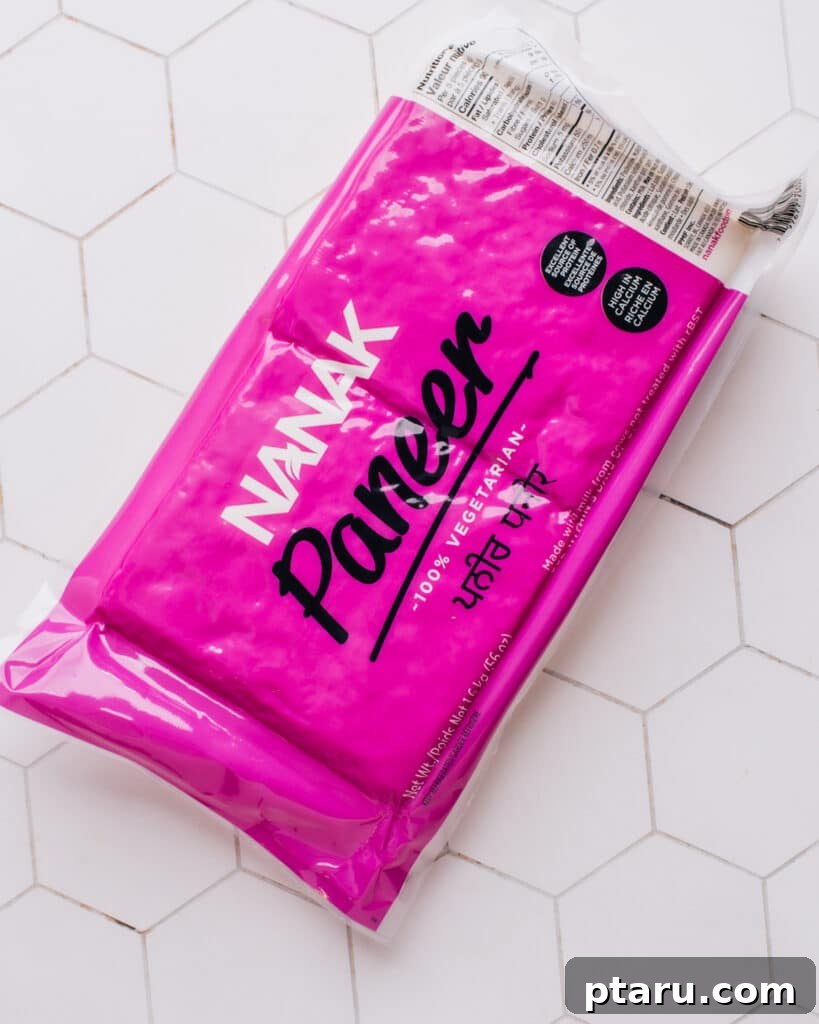
- Cubed Paneer: The star of the dish, paneer, is a fresh, firm Indian cheese that holds its shape beautifully when cooked. It readily absorbs the flavors of the surrounding curry. You can often find pre-packaged paneer in the specialty cheese section of most well-stocked grocery stores today. For those feeling adventurous, making your own homemade paneer is also a rewarding option.
- Cream or Yogurt: A touch of full-fat cream or plain, full-fat yogurt (or even sour cream) is added to provide a subtle creaminess, enriching the texture and mellowing the intensity of the greens and spices. It contributes to the luxurious mouthfeel of the curry without making it overly heavy.
- Lemon Juice: A squeeze of fresh lemon juice at the end is a game-changer. It provides a bright, tangy lift that cuts through the richness and balances the sweet and spicy notes, completing the classic “spicy-sweet-tangy” flavor profile that makes Indian cuisine so irresistible.
- Ginger, Garlic, Cumin (seeds or powder), and Turmeric: These are quintessential aromatic and spice building blocks in Indian cooking. They form the aromatic base of the curry, contributing warmth, depth, and vibrant color. Keep fresh ginger and minced garlic on hand – freezing them means they’re always ready when inspiration strikes!
Vegan Variation: Enjoying Saag with Plant-Based Alternatives
For those following a vegan diet or seeking plant-based options, Saag Paneer can be easily adapted without compromising on flavor. Here are the simple swaps:
- Tofu: Replace paneer with firm or extra-firm tofu, pressed and cubed. You can pan-fry it lightly before adding to the curry for better texture and flavor absorption.
- Oil: Use your preferred plant-based cooking oil instead of ghee or butter. Coconut oil or a neutral vegetable oil would work well.
- Coconut Milk or Cashew Cream: Substitute full-fat coconut milk or a homemade cashew cream for dairy cream or yogurt. These alternatives will lend a similar creamy texture and rich flavor.
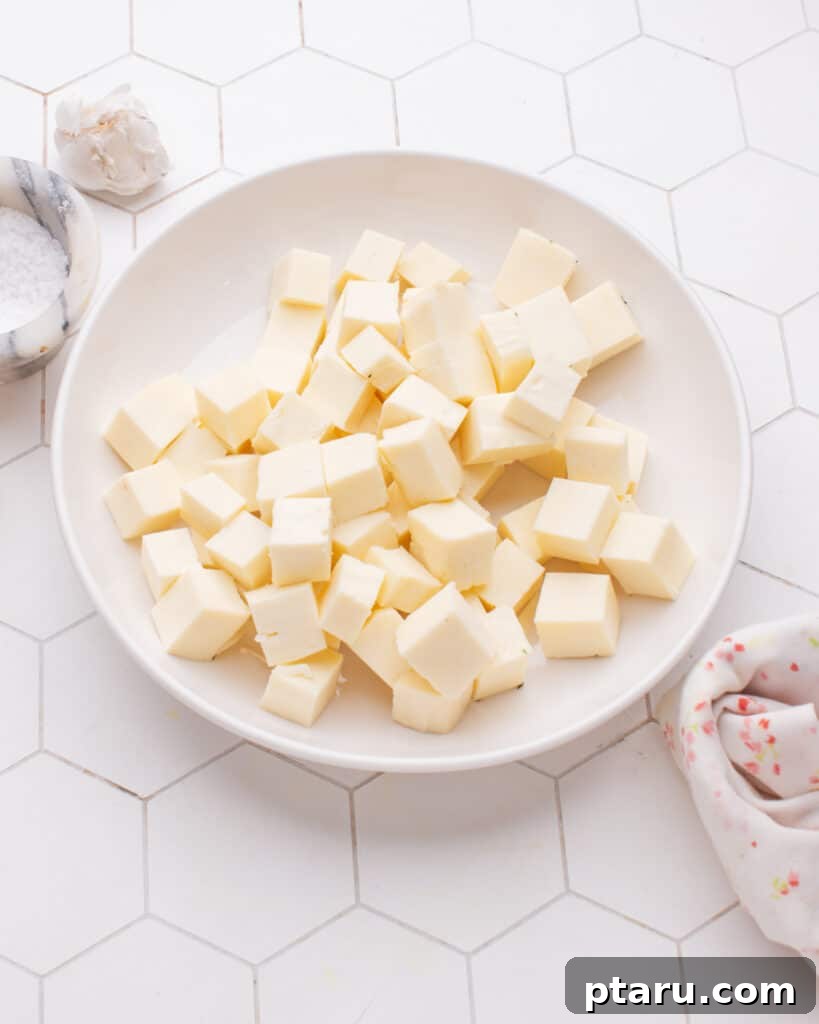
Can’t Find Paneer? Here are the Best Substitutes for Indian Cottage Cheese
While paneer is increasingly available in many grocery stores, there are excellent substitutes if you can’t find it or prefer an alternative. You can even try your hand at making homemade paneer, which is a surprisingly straightforward process, yielding a fresh and tender cheese superior to many store-bought varieties.
Interestingly, paneer is quite similar to ricotta cheese, only pressed more firmly to remove excess liquid. If you have ricotta on hand, simply strain it well using cheesecloth or a clean kitchen towel until it becomes firm enough to cut into cubes. This “pressed ricotta” can then be used in place of paneer.
Other fantastic alternatives include halloumi and feta cheese. Both offer a salty, tangy flavor and a firm texture that can hold up in a curry. When using halloumi or feta, it’s advisable to start with about half the quantity you would use for paneer, as they are typically saltier and denser. This ensures a balanced greens-to-cheese ratio. For feta, rather than cooking it directly in the curry, you can gently nestle the cubed feta on top of the finished saag paneer and cover the pan for a few minutes to allow it to warm through, preserving its distinct texture.
How to Make Saag Paneer: Step-by-Step Instructions for a Flavorful Curry
Creating this comforting Saag Paneer is a rewarding experience. Follow these straightforward steps to achieve a perfectly spiced and creamy curry that tastes like it came from your favorite Indian restaurant.
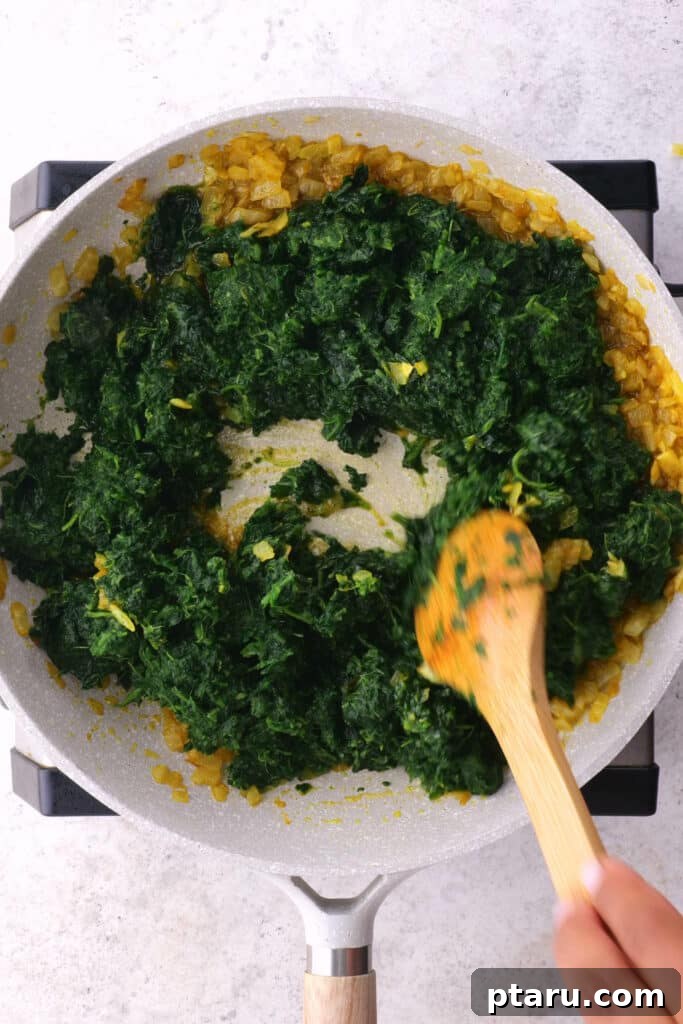
- Prepare the Greens: Place your chosen leafy greens in a blender or food processor. If using a large volume, add them in batches, drizzling with boiling water as you go. The hot water will help the greens wilt, allowing them to fit better and process more easily. Blend until the greens are very finely chopped, forming a coarse puree, but avoid over-processing into a completely smooth liquid. Set this vibrant green mixture aside.
- Caramelize the Onions: In a large, heavy-bottomed pot or Dutch oven, heat the ghee or butter over medium heat. Add the chopped onion along with half of the salt. Cook the onions slowly, stirring frequently, until they become exceptionally soft, translucent, and deeply golden brown. This step is crucial for developing the foundational sweetness of the curry; resist the urge to rush it. Reduce the heat if the onions start to brown too quickly – a low and slow approach yields the best results.
- Add Aromatics: Once the onions are caramelized, add the minced ginger and garlic to the pot. Sauté for about 1 minute, stirring constantly, until their fragrant aroma fills your kitchen. Be careful not to burn them.
- Infuse with Spices: Stir in the turmeric, cumin, and fenugreek powder (or curry powder). Continue to cook for another minute, allowing the spices to toast in the hot ghee and release their full aromatic potential. This step ensures the spices are fully bloomed and integrated into the curry’s base.
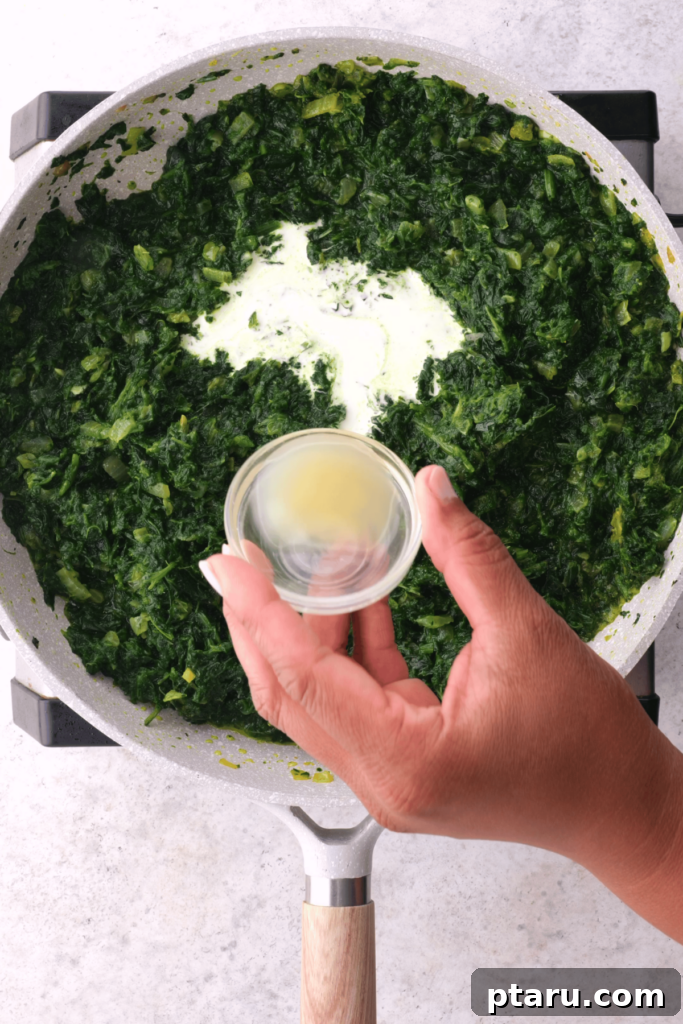
- Combine Greens and Cream: Incorporate the prepared finely chopped greens into the pot, stirring well to combine them with the aromatic onion-spice mixture. Bring the curry to a gentle simmer. Then, stir in the cream or yogurt, fresh lemon juice, and the remaining salt. Mix thoroughly until everything is well combined and heated through.
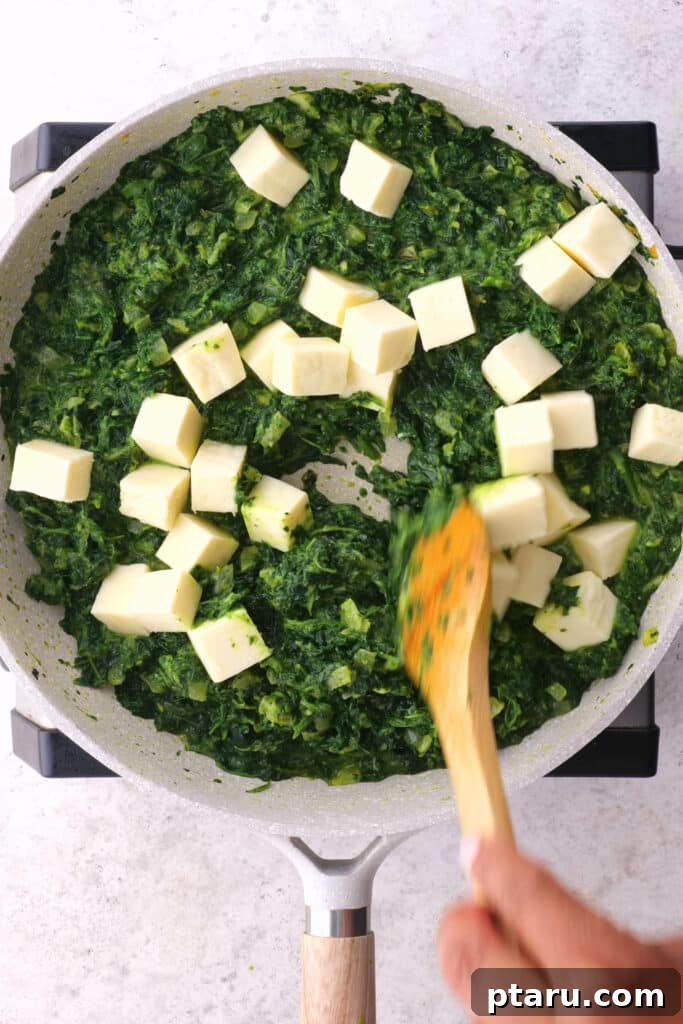
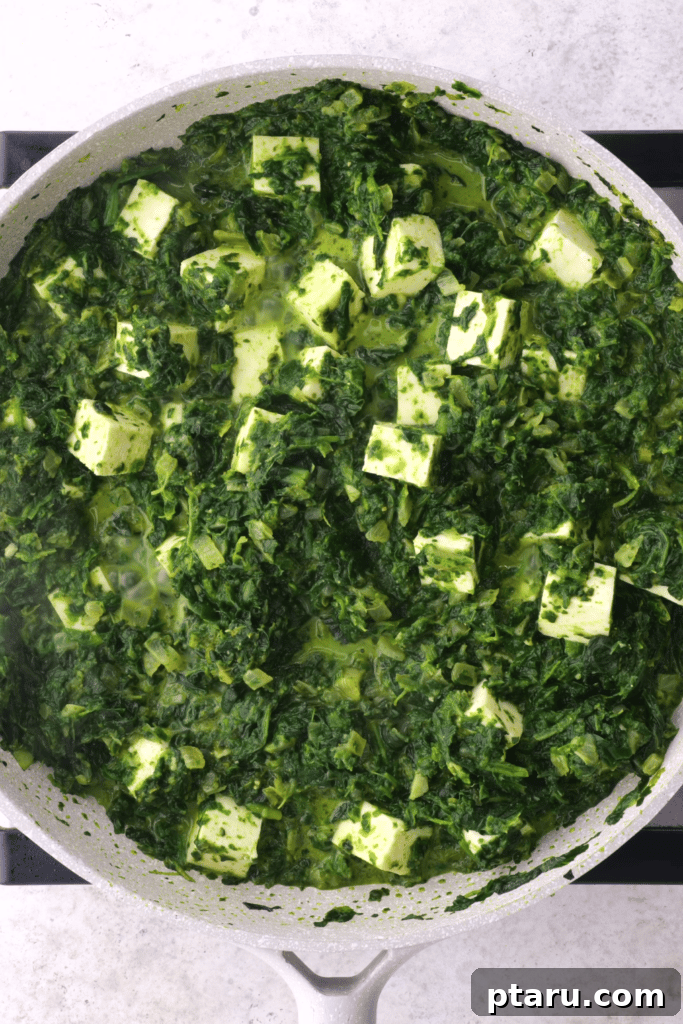
- Gently Fold in Paneer: Finally, add the cubed paneer to the simmering saag. Stir gently to coat the paneer cubes with the flavorful green curry. Allow it to heat through for a few minutes, giving the paneer time to absorb some of the delicious flavors and become warm and tender. Do not boil vigorously after adding paneer and cream to prevent curdling.
And there you have it! With these simple yet precise steps, you’ll create a delicious, homemade Saag Paneer that rivals any restaurant dish. Get ready to savor the rich, comforting flavors of this classic Indian vegetarian curry.
Tips and Tricks for the Best Saag Paneer Ever
Achieving a truly exceptional Saag Paneer, with depth and balance of flavor, often comes down to a few key techniques. The biggest secret to authentic Indian cooking that many home cooks discover is patience and a methodical approach to layering flavors. Resist the urge to toss all ingredients into the pot at once; the magic truly unfolds in a stepwise fashion.
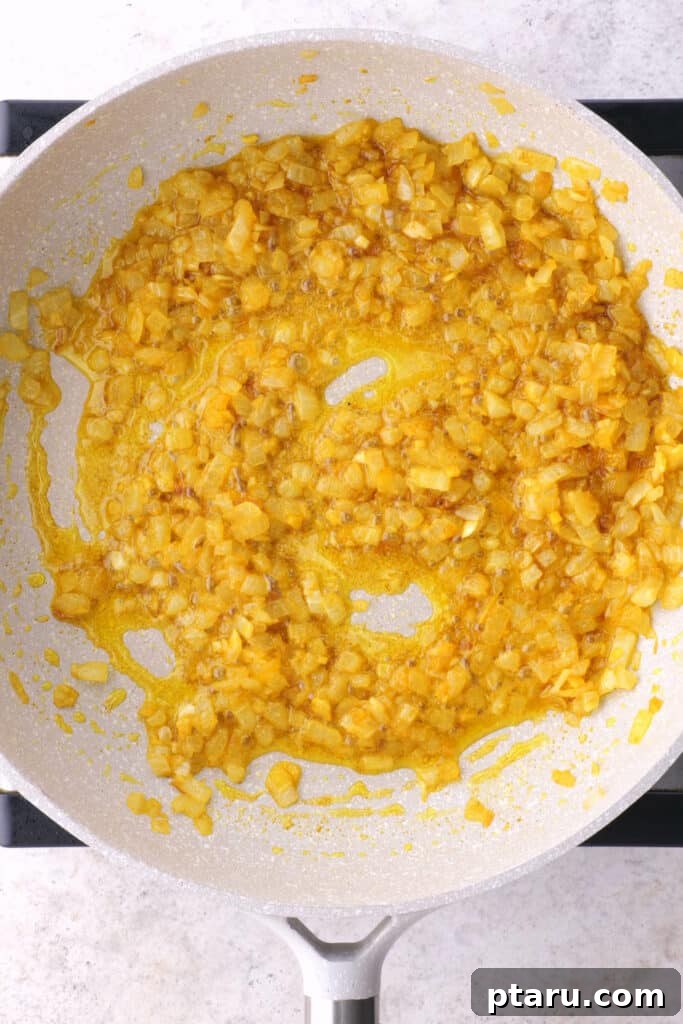
- Master the Onions: This cannot be stressed enough – take your time with the onions. They should be cooked very slowly over medium-low heat until they are deeply caramelized, soft, and sweet, not just softened or browned. This extended cooking process extracts their natural sugars and forms the incredibly flavorful, sweet base of your curry, which is essential for balancing the spices and greens. This step alone can elevate a good curry to a great one.
- Layer the Aromatics and Spices: After the onions, add the ginger and garlic, allowing them to cook until fragrant. Then, introduce the dry spices like turmeric, cumin, and fenugreek. Each component needs its dedicated moment in the hot oil (ghee is particularly effective here, and don’t be too shy with the amount, as fat significantly enhances flavor absorption and distribution) to bloom and release its full aroma and taste. This layering technique builds complexity and depth.
- Season Generously and Taste: A common pitfall in curry making is under-seasoning. Salt is a crucial flavor enhancer, and a curry without enough salt will taste flat and lack vibrancy. Add salt in stages, as instructed, and always taste as you go. Adjust the seasoning as needed to bring out the best in all the ingredients.
How to Add Extra Flavor to the Paneer
While paneer is delightful on its own, you can significantly boost its flavor and texture before adding it to your Saag Paneer. These simple techniques can transform good paneer into extraordinary paneer:
- Marinate it: For a burst of flavor, marinate your paneer cubes for at least 30 minutes, or even overnight, in a mixture of yogurt, ginger-garlic paste, a squeeze of lemon juice, and a blend of spices like turmeric, red chili powder, and garam masala. This infusion makes the paneer incredibly flavorful from the inside out.
- Pan-fry it: Give your paneer a quick sear on all sides in a hot pan with a tablespoon or two of ghee or oil over medium-high heat. This creates a beautiful golden crust and a slightly firmer exterior while keeping the inside tender. Sprinkle a little salt over the paneer as it cooks. Once golden, remove it from the pan and set it aside, using the same pan to build your curry base – this adds even more flavor to the sauce.
How to Serve Saag Paneer: Perfect Pairings for Your Indian Feast
Saag Paneer is a remarkably versatile dish, perfect as a cozy and healthy lunch or a satisfying dinner. Its rich, creamy texture and vibrant flavors make it a stand-alone star, but it truly shines when paired with traditional Indian accompaniments. Garnish your finished dish with fresh cilantro (coriander leaves), a squeeze of lime, delicate microgreens, or thinly-sliced serrano chile for an extra kick, if desired.
Here are some classic ways to serve your homemade Saag Paneer:
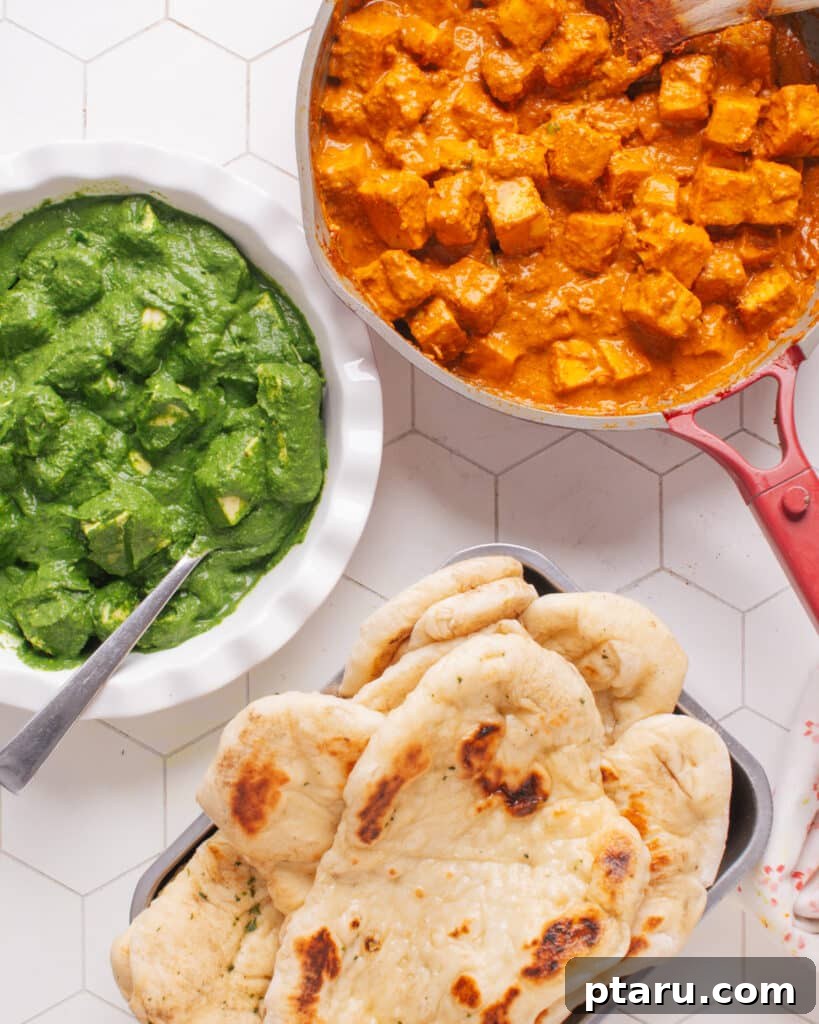
- Indian Flatbreads: No Indian meal is complete without warm, fresh flatbreads to scoop up every last bit of delicious curry. Popular choices include fluffy naan, flaky paratha, simple roti, or delicate chapati. If you’re short on time, readily available regular, whole wheat, or gluten-free wraps can serve as convenient stand-ins.
- Perfectly Fluffy Rice: A bed of perfectly cooked basmati rice is an essential partner for Saag Paneer. Its delicate aroma and light texture beautifully complement the richness of the curry. Master the art of foolproof fluffy rice with our favorite basmati rice recipe, which promises perfect results every time without complicated measurements.
- Refreshing Salad: To complete the meal and add a refreshing contrast, serve Saag Paneer with a simple side salad. A classic combination of sliced tomatoes and red onions, dressed with a squeeze of lemon and a drizzle of olive oil, works wonderfully. The vitamin C from the tomatoes and citrus aids in the absorption of iron from the nutrient-rich greens in your curry. For a more substantial side, consider a cooling Indian Cucumber Yogurt Salad (Raita).
FAQs: Your Saag Paneer Questions Answered
Here are quick answers to some of the most commonly asked questions about Saag Paneer, Palak Paneer, and paneer cheese in general.
While often used interchangeably, there is a subtle distinction. “Palak” specifically means spinach in Hindi, so Palak Paneer is a dish made exclusively with spinach and paneer. “Saag,” on the other hand, refers to a broader category of leafy greens, which can include spinach, but also mustard greens, kale, fenugreek leaves, or a mix of various greens. Therefore, Palak Paneer is a type of Saag Paneer. For a full comparison of ingredients, method, and nutrition, explore our article on: Palak Paneer vs Saag Paneer.
Paneer is a fresh, firm, and mild cheese with a milky flavor profile. It’s made by curdling whole milk with an acid like lemon juice or vinegar, then straining and pressing the curds into a solid block. The result is a creamy, yet not overly rich, cheese with a subtle tang and a pleasant, bouncy texture. Often referred to as Indian cottage cheese, paneer serves as an excellent canvas, readily absorbing the bold and aromatic flavors of Indian spices and gravies.
Sarson Ka Saag is a traditional, rustic Punjabi dish primarily made with mustard greens (‘sarson’) and often includes other greens like bathua and spinach. It’s typically characterized by its bolder, slightly bitter flavor profile and is often served with makki di roti (cornbread). Saag Paneer, while also using greens, generally has a creamier, more spiced spinach-based gravy that highlights the paneer cheese, making it a more widely adaptable and milder dish in comparison.
Saag Paneer is a popular North Indian vegetarian curry made from paneer (Indian cottage cheese) cooked in a rich, creamy, and spiced gravy predominantly featuring pureed leafy green vegetables, most commonly spinach. It is celebrated for its nutritious profile, aromatic spices, and satisfying texture.
Saag Paneer offers a harmonious blend of flavors: it’s earthy from the greens, subtly creamy from the dairy, and wonderfully aromatic from a blend of Indian spices like ginger, garlic, cumin, and fenugreek. The mild paneer absorbs these flavors beautifully, providing a delightful textural contrast to the smooth gravy. It’s savory with a hint of tang and often a gentle warmth from chilies.
In Indian cuisine, “saag” is a Hindi term referring to leafy green vegetables. It encompasses a variety of greens such as spinach (palak), mustard greens (sarson), fenugreek leaves (methi), collard greens, and more. Dishes categorized as “saag” are typically curries where these greens are cooked down and often pureed to create a flavorful base.
Paneer is considered a healthy cheese option, particularly for its high protein content, which is beneficial for muscle growth and satiety. It also provides essential minerals like calcium for bone health and a good amount of healthy fats. Compared to many aged, highly processed cheeses, paneer is relatively fresh and often lower in sodium, making it a nutritious choice as part of a balanced diet.
In the USA, paneer is most commonly known by its Indian name, “paneer.” While it is sometimes referred to as “Indian cottage cheese” or “fresh Indian cheese,” the term “paneer” is widely understood and used in supermarkets, specialty stores, and Indian restaurants across the country.
Adarsh’s Other Favorite Vegetarian Indian Recipes:
Don’t miss our delicious restaurant-style Palak Paneer recipe. Then check out some of Adarsh’s other favorite vegetarian dishes:
- Creamy and indulgent paneer dishes: Butter Paneer and Malai Kofta.
- A variety of wholesome and flavorful lentil dishes: Madras Lentils, Curried Lentils with Coconut Milk and Masoor Dal.
- Our family’s favorite Indian Chickpea Curry Recipe (Chana Masala).
- Hearty and comforting potato dishes: Aloo Gobi and Potato Curry.
- If you love classic Indian recipes, you must also try our almost-famous Chai Tea, Butter Chicken, Potato Samosas and Chicken Korma recipes.
Read next: My ultimate paneer recipe collection for 52+ of the most delicious recipes on the internet.
Saag Paneer (Indian Greens and Cheese)
Jennifer Pallian BSc, RD
10 minutes
20 minutes
30 minutes
4
Video
A video demonstrating the preparation of Saag Paneer would typically be embedded here.
Ingredients
-
1 lb spinach (Or a mix of spinach with other greens) - 1 cup boiling water
- 4 tbsp ghee or butter
- 1 medium onion chopped
- 1 inch piece of ginger finely minced or grated
- 2 cloves garlic minced
- ¼ tsp turmeric
- ½ tsp cumin
- 1 tsp fenugreek powder or curry powder
- 3 tbsp cream or yogurt
- 2 tsp fresh lemon juice
- 1 tsp salt or more, to taste
- 12 oz paneer in 1/2 inch cubes
Instructions
-
Place greens in a blender or food processor a little at a time, drizzling it with the boiling water as you go so it wilts and you can fit it all in. Process until very finely chopped, but not pureed. Set aside.
-
Heat ghee or butter in a large pot over medium heat. Add chopped onion and half the salt; cook, stirring often, until very soft and golden. Reduce the heat if onions are browning – low and slow is the goal.
-
Add the ginger and garlic and cook until fragrant, about 1 minute.
-
Add the turmeric, cumin and fenugreek powder and cook 1 minute more.
-
Stir in the spinach (and/or other greens), bring to a simmer, then add cream or yogurt, lemon juice and remaining salt.
-
Gently stir in paneer and heat through.
Notes
A trick to make store-bought paneer tastier: Commercial paneer can vary widely in how much salt and flavor it has. Take a taste. If it tastes bland, try this flavor booster: cube the paneer and sauté it first in a tablespoon or two of melted butter or ghee. Sprinkle with a little salt as it cooks. Transfer it to a plate while you finish the recipe in the same pan.
Nutrition
Nutrition information is automatically calculated, so should only be used as an approximation.
Tried this recipe? Leave a comment!