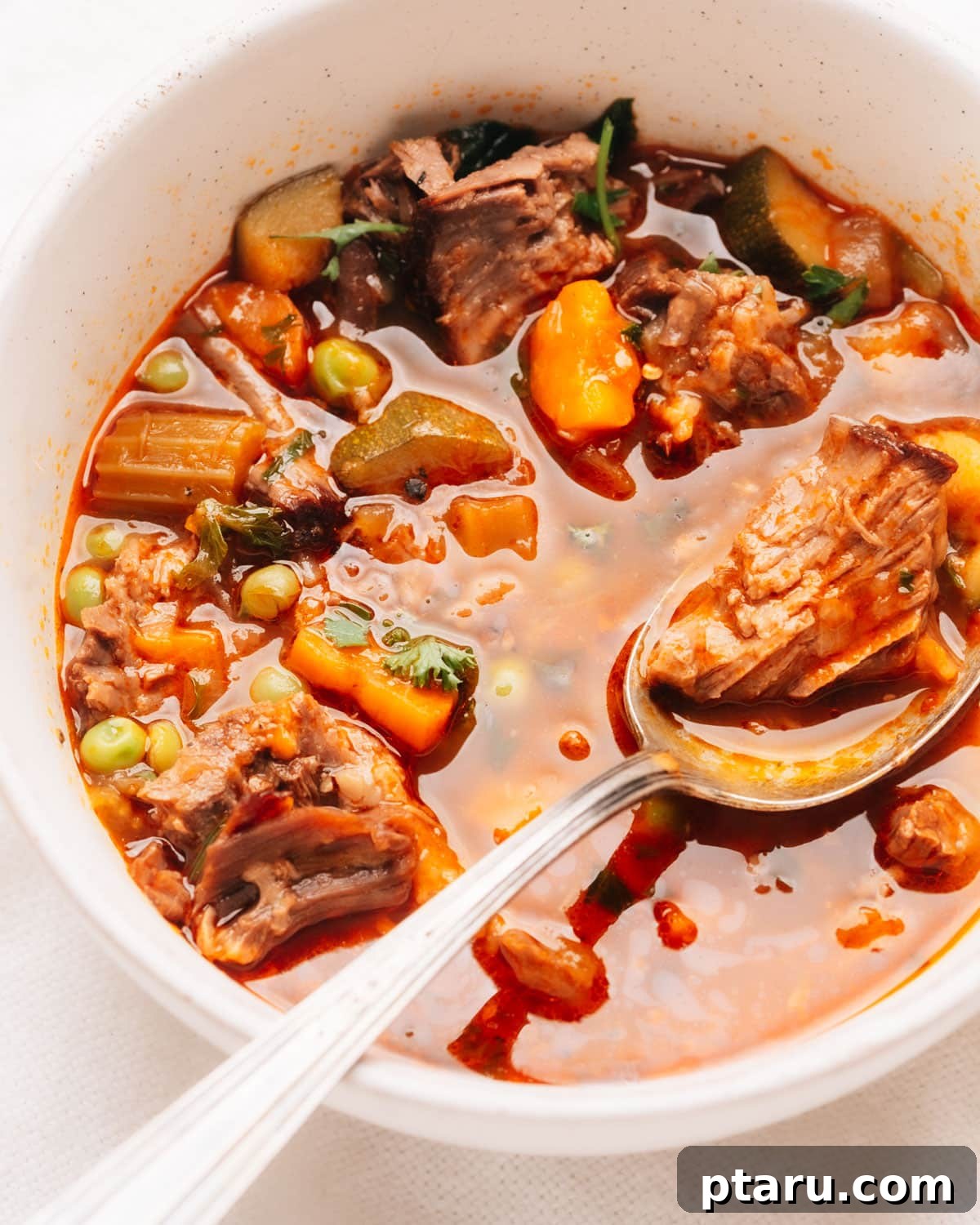
As a Food Scientist, I’m thrilled to share my tried-and-true methods for creating a truly exceptional Old Fashioned Vegetable Beef Soup. This isn’t just any soup recipe; it’s a culinary journey designed to bring you the deepest flavors and most satisfying textures. Imagine succulent, fall-apart tender beef harmoniously blended with an array of garden vegetables, all swimming in a rich, flavorful broth that tastes like it simmered all day – because, with a few clever tricks, it will feel that way! Get ready to elevate your home cooking with these professional insights and make a beef vegetable soup that will earn you rave reviews. Let’s steal these delicious secrets together! 👌
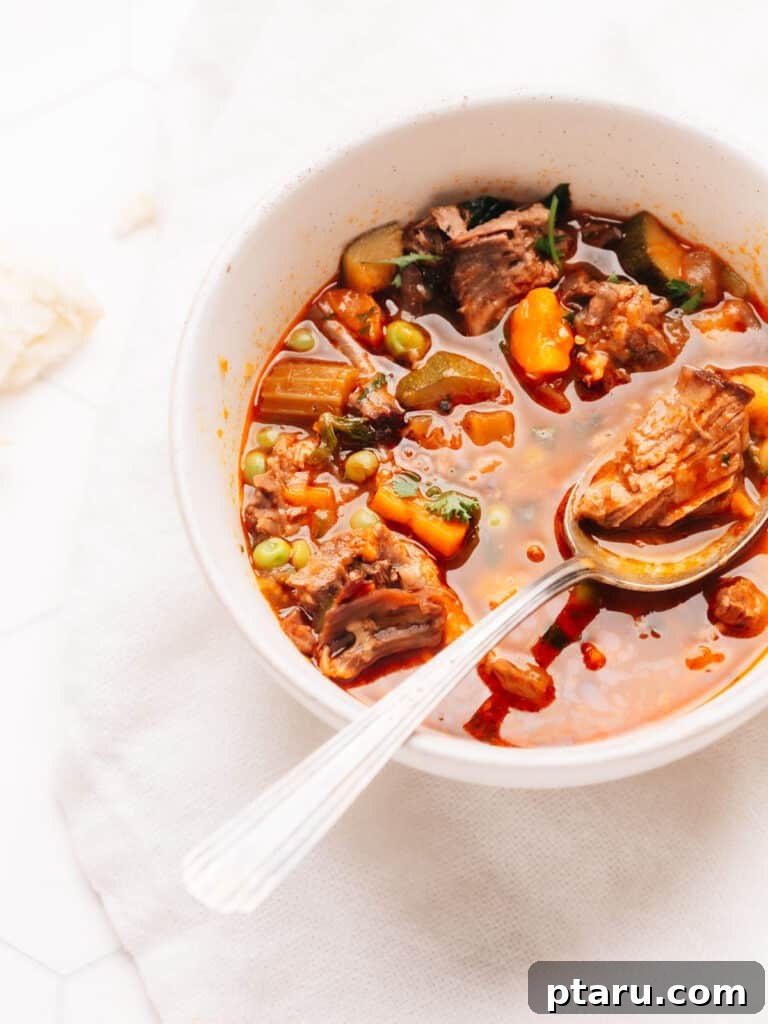
Prepare to be absolutely obsessed with this incredible Old Fashioned Vegetable Beef Soup recipe. It promises not just a meal, but a warm embrace in a bowl, perfect for chilly evenings or anytime you crave wholesome comfort food. What makes it truly remarkable is its simplicity; it requires a mere 10 minutes of active preparation, then gracefully transforms into a masterpiece as it virtually cooks itself. This easy approach ensures that even on your busiest days, a deeply satisfying, home-cooked meal is within reach. Dive into the savory depths of this classic recipe and discover your new favorite family meal.
Essential Ingredients for Your Perfect Beef Vegetable Soup
Crafting a truly memorable soup doesn’t require an extensive shopping list. With just a handful of fresh vegetables and common pantry staples, you can conjure a dish that evokes the nostalgic flavors of grandma’s kitchen. Each ingredient plays a vital role in building the robust flavor profile and comforting texture of our Old Fashioned Vegetable Beef Soup.
Decoding the Flavors: Key Vegetable Beef Soup Ingredients
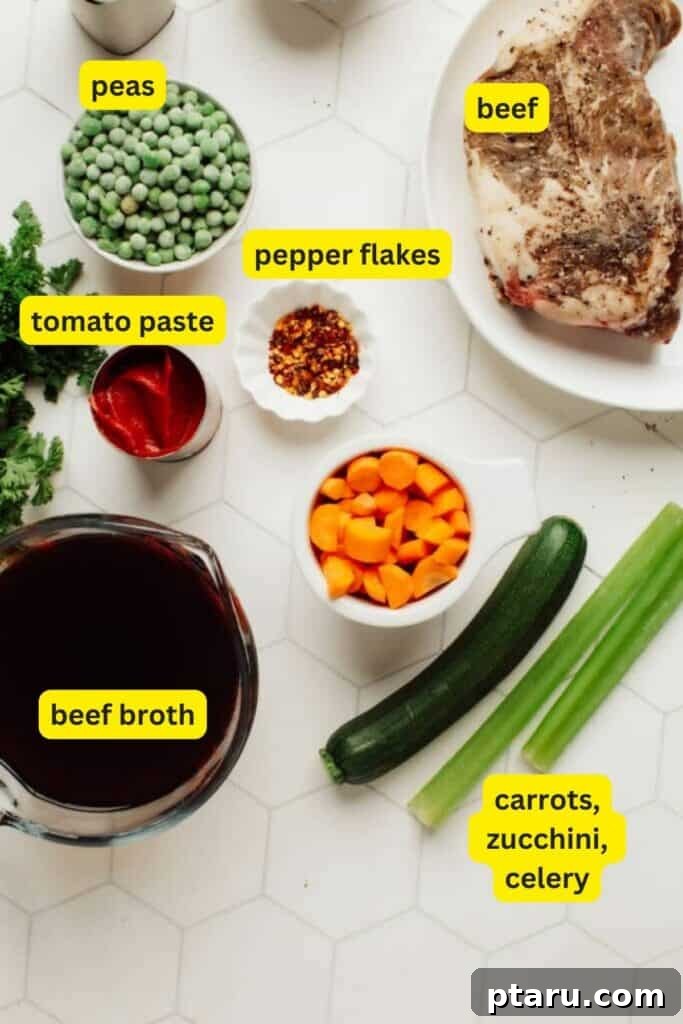
- Oil: The foundation of flavor begins with a good searing oil. Choose an oil with a high smoke point to achieve that crucial deep brown crust on your beef without burning. Avocado oil is my top recommendation due to its neutral taste, which allows the beef’s natural richness to shine through, but canola and grapeseed oil are also excellent, readily available choices.
- Beef: The secret to truly fall-apart tender beef lies in using cuts suitable for slow cooking. Bone-in meat, such as a bone-in steak or short rib, is exceptional as the bones infuse the broth with unparalleled depth of flavor and contribute to a more gelatinous, rich texture. The meat nestled against the bone tends to stay incredibly tender. If convenience is your priority, boneless beef cubes, particularly from chuck roast, are also a fantastic option and will achieve similar tenderness with sufficient simmering time. (RELATED: Discover more Easy Boneless Beef Recipe Gems for versatile cooking.)
- Salt: Proper seasoning is paramount and should be approached with a “layering” technique. Don’t just season at the end! Keep tasting and adjusting the seasoning throughout the cooking process – when searing the meat, sautéing the aromatics, and after adding the liquid. This ensures every component of the soup is perfectly seasoned, building a complex flavor profile.
- Black Pepper: Freshly ground black pepper introduces a subtle yet essential heat and aromatic complexity. For those who enjoy a bit more warmth and a gentle kick, consider adding a pinch of red pepper flakes alongside the black pepper.
- Onion: A large, sweet yellow onion forms the aromatic base of this soup. As it slowly caramelizes, it releases its natural sugars, contributing a fundamental sweetness and depth that is indispensable to the soup’s character.
- Celery: Crucial for developing the aromatics of this dish, celery provides a fresh, earthy note. While leeks can be a viable substitute, I particularly appreciate how celery contributes to the foundational flavors, adding a subtle bitterness that balances the other ingredients beautifully.
- Carrots: These vibrant root vegetables not only add a beautiful pop of color to the soup but also impart distinct earthy, sweet notes. As they soften during simmering, their sweetness intensifies, complementing the savory beef and rich broth.
- Zucchini: Included for its delicate tender texture and inviting mouthfeel, zucchini adds a fresh, light element to the hearty soup. If zucchini isn’t available or you’re looking for an alternative, sliced fresh green beans make an excellent substitute, offering additional fiber and a pleasant crunch.
- Tomato Paste: A powerhouse ingredient, tomato paste is vital for both its rich color enhancement and its potent umami-flavor boosting capabilities. Browning it slightly before adding liquid deepens its flavor, transforming it into a concentrated burst of savory goodness that significantly enriches the broth.
- Beef Broth: The liquid base of our soup, a high-quality beef broth is key to a flavorful result. For an equally delicious and often more convenient option, you can substitute “better than bouillon” or concentrated bouillon, diluted precisely as per the container’s instructions, ensuring a rich and savory base.
- Frozen Peas: Added towards the end of cooking, frozen peas provide delightful little pops of freshness. Their bright green color and subtle sweetness “lift” the soup, adding a vibrant contrast to the deep, savory flavors.
- Fresh Parsley: The quintessential herb for beef soup, fresh parsley offers a clean, herbaceous finish. Its bright, peppery notes complement the richness of the beef perfectly. If you’re looking for alternatives, fresh oregano or thinly sliced basil also work wonderfully, each adding its unique aromatic touch.
Economical beef stew meat cuts are an excellent protein alternative, as the slow simmering process tenderizes them to an incredibly succulent, fall-apart texture. Chuck roast, in particular, is an outstanding choice for its marbling and flavor, and it’s what I often use for this recipe to achieve maximum tenderness and taste.
For a quicker preparation, you can alternatively skip the initial searing step and incorporate leftover roast beef. This works beautifully with remnants from dishes like Air Fryer Roast Beef or Eye of Round Roast, cutting down on cook time while still delivering rich beefy flavor.
Crafting Comfort: A Step-by-Step Guide to Old Fashioned Vegetable Beef Soup
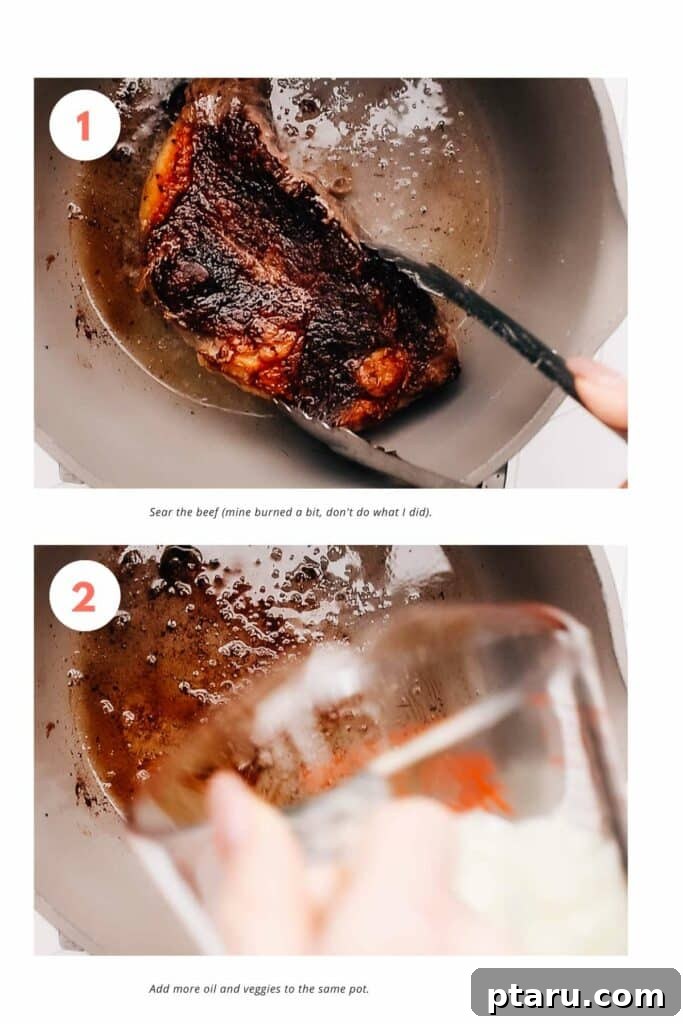
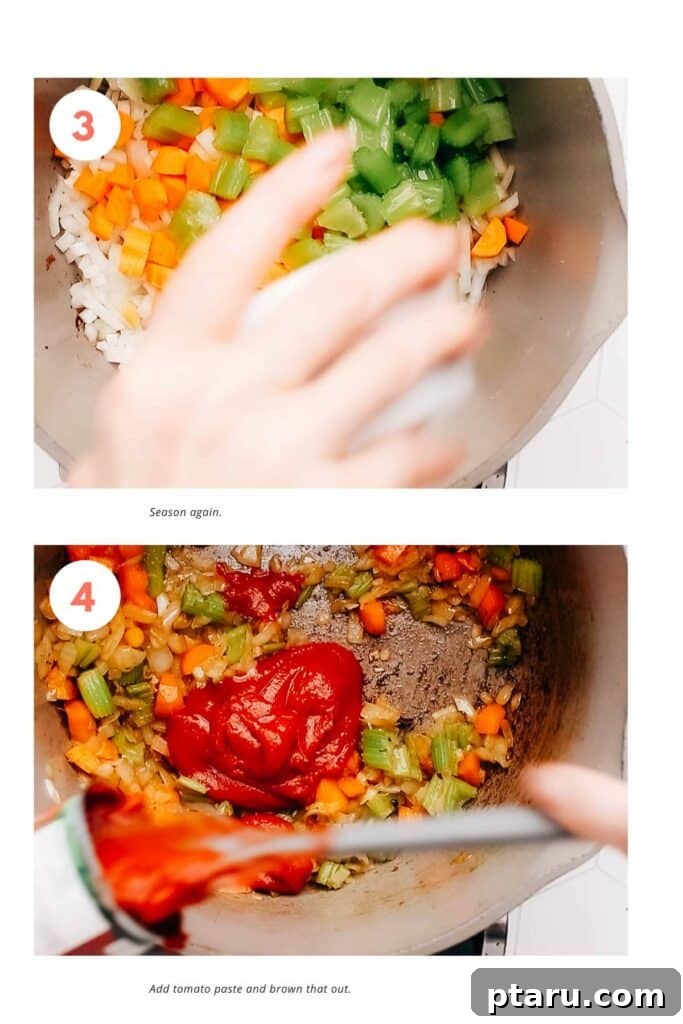

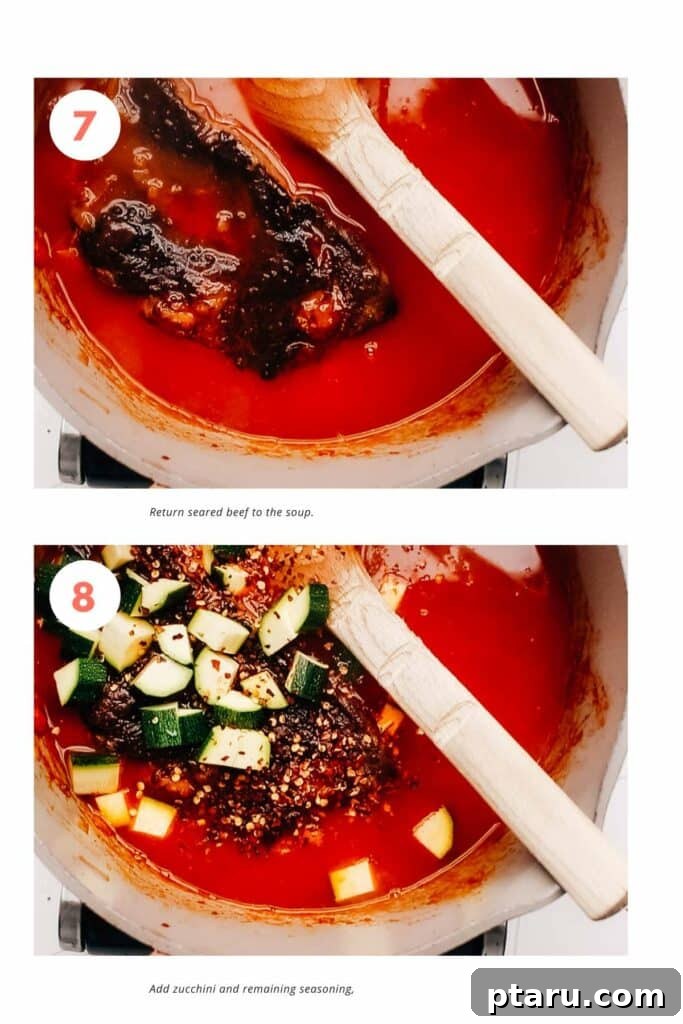
Follow these steps to create a truly delicious and comforting Old Fashioned Vegetable Beef Soup. Each stage is designed to build layers of flavor that will make this soup unforgettable.
1. Sear the Beef to Perfection: Begin by heating a heavy-bottomed Dutch oven or large pot over medium-high heat for several minutes. This ensures an even and effective sear. Add 1 tablespoon of your chosen high smoke point oil. Once the oil is shimmering and just beginning to smoke, carefully add the beef pieces. Season generously with ¾ teaspoon of salt and ¼ teaspoon of black pepper. Allow the beef to brown undisturbed for 4-6 minutes, forming a deep, flavorful crust. This browning, known as the Maillard reaction, is crucial for developing rich umami notes. Once a beautiful crust forms, the meat will release easily from the bottom of the pan. Turn and sear on all sides until well-browned, then transfer the seared beef to a separate plate. Do not clean the pot; those browned bits clinging to the bottom are packed with flavor!
2. Sauté the Aromatics: Add the remaining oil to the pot, followed by the diced onions, celery, and carrots. These “mirepoix” vegetables form the aromatic foundation of your soup. Sprinkle in an additional teaspoon of salt to help draw out their moisture and intensify their flavor. Cook the vegetables, stirring occasionally, until they are soft and translucent, which typically takes around 5 minutes. The lingering browned bits from the beef will begin to release and meld with the vegetables, adding depth.
3. Deepen Flavors with Tomato Paste: Stir in the tomato paste. Continue to cook for about 2 minutes, stirring constantly. This step is vital as it allows the tomato paste to caramelize slightly and deepen in color, enhancing its natural sweetness and potent umami flavor. You’ll notice a richer, darker hue develop, indicating the flavor is concentrating.
4. Combine and Begin the Simmer: Return the seared beef to the pot, nestling it amongst the sautéed vegetables. Pour in the beef broth, ensuring all the delicious elements are submerged. This liquid will deglaze the pot, incorporating all the flavorful fond from the bottom.
5. Add Zucchini and Simmer: Introduce the diced zucchini and ½ teaspoon of black pepper. Add 2 cups of water to adjust the liquid level for a perfect consistency. Cover the pot with a lid and bring the soup to a full boil over medium-high heat. Once boiling, reduce the heat to low, ensuring a gentle simmer. Allow the soup to simmer for approximately 2 hours, or until the beef has become incredibly tender and easily pulls apart with a fork. This slow cooking process allows all the flavors to meld beautifully and the beef to reach its desired texture.
6. Final Seasoning and Garnish: Before serving, taste the soup and adjust the seasoning as needed. The final saltiness will depend on your broth and personal preference. Aim for a well-balanced flavor profile. Ladle the hearty soup into bowls and garnish generously with lovely minced fresh parsley. The fresh herbs add a bright, herbaceous contrast to the rich, savory broth.
Mastering Your Soup: Avoiding These 5 Common Mistakes
Even the simplest recipes can go awry with a few missteps. To ensure your Old Fashioned Vegetable Beef Soup is consistently delicious, be mindful of these common pitfalls and learn how to sidestep them.
- Forgetting to Brown the Beef: This is arguably the most critical step for flavor development. Skipping the browning step (the Maillard reaction) means missing out on the rich, deep, savory notes and complex umami that define a truly great beef soup. Without this foundational flavor, your soup will taste flat and one-dimensional. Always take the time to sear the beef until a dark, appealing crust forms on all sides.
- Skipping the Tomato Paste Browning: Just like the beef, tomato paste benefits immensely from a brief sauté. When you cook tomato paste for a couple of minutes until it deepens in color, you’re caramelizing its natural sugars and intensifying its rich, complex flavor. This process transforms it from a bright, acidic ingredient into a deeply savory umami enhancer. Skipping this step can leave your broth tasting less robust.
- Diluting the Broth: It’s tempting to add more liquid to make more soup, but adding more water or broth than called for can significantly dilute the carefully developed flavors. While “more soup” sounds appealing, it often results in a thin, watery broth that lacks depth and richness. Stick to the recommended liquid amounts, and if you need to extend the soup, consider adding more vegetables rather than extra liquid.
- Not Letting It Simmer Long Enough: Patience is a virtue when it comes to tender beef and deep flavors. The phrase “slow and steady wins the race” applies perfectly here. Insufficient simmering time means the beef won’t achieve that melt-in-your-mouth tenderness, and the individual flavors of your ingredients won’t have enough time to truly meld and harmonize into a cohesive, rich broth. Aim for at least 2 hours of gentle simmering for optimal results.
- Seasoning Only at the End: Great soup isn’t seasoned once; it’s seasoned in layers throughout the cooking process. Adding a little salt at each stage—when browning the beef, sautéing the vegetables, and after adding liquids—builds a balanced flavor profile. If you only season at the very end, the salt struggles to penetrate and enhance the internal flavors of the ingredients, leading to a soup that tastes seasoned on the surface but bland overall. Taste often and adjust as you go!
Perfect Pairings: What to Serve with Old Fashioned Vegetable Beef Soup
A hearty bowl of Old Fashioned Vegetable Beef Soup is a meal in itself, but it truly shines when accompanied by a delicious side. Here are some of my favorite pairings that complement its rich flavors and comforting nature:
- Oatmeal Brown Bread: This old-fashioned recipe, passed down from my grandma, offers a slightly sweet and wholesome contrast to the savory soup. Its soft texture is perfect for soaking up every last drop of that rich broth.
- Easy Homemade Artisan Bread: A staple in my kitchen, this no-knead bread boasts a crispy crust and a chewy interior. Its rustic charm and simple flavor make it an ideal companion for a robust soup, perfect for tearing and dipping. I make this every single week!
- The Fluffiest Buttermilk Drop Biscuits: Light, airy, and incredibly tender, these biscuits are on near-weekly rotation for a reason. Their buttery richness and crumbly texture provide a delightful textural contrast and absorb the soup’s flavors beautifully.
- A Simple Green Salad: A light, crisp green salad with a vinaigrette dressing offers a refreshing counterpoint to the richness of the soup. It cleanses the palate and adds a welcome burst of freshness.
Make Ahead and Storage: Savory Comfort Anytime
One of the many joys of Old Fashioned Vegetable Beef Soup is how wonderfully it lends itself to meal prepping. Making a big batch means delicious, wholesome comfort food is always on hand. I love to prepare a large pot and freeze portions for effortless lunches or dinners down the line.
Leftovers:
- Once the soup has cooled completely, transfer any leftovers into an airtight container. It can be safely stored in the refrigerator for 3-4 days, maintaining its robust flavor and comforting qualities.
Freezing:
- This vegetable beef soup recipe is an excellent candidate for freezing. For best quality, allow the soup to cool, then portion it into freezer-safe containers or heavy-duty freezer bags. It will keep beautifully in the freezer for about 3 months. When freezing, consider omitting the peas until reheating, as they can sometimes become mushy when thawed.
Reheating:
- To reheat, gently warm the soup in the microwave, stirring occasionally, or on the stove top over low heat. If frozen, thaw overnight in the refrigerator before reheating, or reheat gently from frozen on the stove, adding a splash of extra broth or water if needed to reach your desired consistency.
Creative Twists: Variations of Classic Old-Fashioned Beef Vegetable Soup
While the classic Old Fashioned Vegetable Beef Soup is perfect as is, it also serves as a fantastic canvas for culinary creativity. A few simple additions can transport your taste buds to different cuisines.
- Italian-Style Beef Soup: For a Mediterranean twist, pour in a can of diced tomatoes (or crushed tomatoes for a smoother texture), add a minced clove of garlic, and season with a generous sprinkle of dried oregano and basil. The tomatoes provide a lovely acidity and sweetness, while the herbs impart that quintessential Italian aroma. Serve finished with a dusting of freshly grated Parmesan cheese for a truly authentic touch.
- Mexican-Inspired Beef Soup: Take your soup south of the border by incorporating some ground cumin, corn kernels, black beans, and a tablespoon or two of chili powder. These ingredients introduce earthy, spicy, and smoky notes characteristic of Mexican cuisine. Serve it with a dollop of cooling sour cream and a scattering of fresh cilantro for a vibrant finish.
- Hearty Irish Beef Soup: Embrace rustic Irish flavors by adding chunks of Yukon gold or red russet potatoes, a few bay leaves, diced turnips, a sprig of fresh rosemary, and a handful of barley. The potatoes add a creamy starchiness, while the turnips provide a subtle peppery bite, and barley makes it extra hearty, perfect for a cold day.
- Quick Ground Beef Soup: For a significantly reduced cooking time without sacrificing flavor, adapt this recipe into a ground beef recipe. Brown the ground beef, drain any excess fat, and then proceed with the vegetables and broth. The cook time can be reduced to a brief 30-minute simmer, just enough for the flavors to blend harmoniously.
- Mixed Vegetable Medley: Don’t be afraid to experiment with your vegetable choices! Instead of traditional onions, try using leeks for a milder, sweeter onion flavor. For an extra boost of fiber and a unique texture, consider adding a quarter of a cabbage, thinly sliced, to sauté at the very beginning with the other aromatics. Green beans, diced sweet potatoes, or even spinach can also be wonderful additions.
Frequently Asked Questions About Vegetable Beef Soup
How do I make vegetable beef soup taste better?
If, after cooking, you find your soup still needs a boost of salt or a deeper flavor, I have a secret ingredient: a splash of soy sauce. You won’t detect the distinct soy sauce flavor; instead, it acts as a masterful seasoning agent, adding salt while simultaneously introducing profound umami and naturally occurring glutamates. These elements work synergistically to enhance the richness of the beef taste and round out the overall flavor profile. Another excellent trick is to simmer the soup longer, uncovered, for the last 30 minutes or so. This allows some of the liquid to evaporate, concentrating the broth and intensifying all the delicious flavors.
What is the best beef to use in a beef and vegetable soup?
For the most flavorful and tender results, bone-in meat such as bone-in steak or short ribs is superior. The bone imparts a profound depth of flavor to the broth, and the meat cooked on the bone often achieves a more “melt-in-the-mouth” texture. You can easily discard the bone after cooking. Alternatively, beef chuck roast is an excellent and often more inexpensive option for beef vegetable soup. Its good marbling ensures it becomes incredibly tender and flavorful during the long simmering process.
What salads will go with a vegetable beef soup recipe?
When serving a hearty and robust soup like Old Fashioned Vegetable Beef Soup, opt for salads that are light and refreshing to create a balanced meal. Crisp, vibrant options such as a classic French green salad with a simple vinaigrette or a zesty Greek salad with cucumber, tomato, and feta will beautifully complement the rich flavors of the soup. It’s best to steer clear of heavy, creamy salads (like potato salad or coleslaw) as they can overload the palate and throw the dining experience off balance.
Expert Tips and Tricks for Your Best Beef Vegetable Soup
Unlock even more potential in your Old Fashioned Vegetable Beef Soup with these practical tips from a Food Scientist’s kitchen:
- Speed Up Cooking with a Pressure Cooker: If you’re short on time but still crave tender beef, a pressure cooker is your best friend. After you’ve seared the meat and sautéed the vegetables, combine all ingredients (minus frozen peas) and pressure cook for just 40 minutes on high pressure. This drastically reduces the simmering time while still yielding incredibly tender beef.
- Cutting Beef for Preference: You have flexibility with beef size. If you prefer smaller, bite-sized pieces throughout your soup, you can cut the beef into smaller pieces at the beginning before searing. However, I often find it easier to handle and achieve a better sear on larger pieces of meat, then cut or shred the fall-apart tender beef after it’s cooked. This prevents smaller pieces from drying out during initial browning.
- Peas: Add Fresh, Not Always Early: Frozen peas are a wonderful addition for their fresh flavor and vibrant color. If you’re planning to serve the soup immediately, go ahead and stir them in during the last 5-10 minutes of simmering. However, if you’re making a batch to enjoy over several days or to freeze, I recommend leaving them out until reheating. Peas tend to get mushy and can develop an “off” flavor after prolonged storage in the soup, diminishing their delightful freshness.
- Slow Cooker / Crockpot Method: This recipe adapts beautifully for a slow cooker. After completing the crucial steps of searing the meat and sautéing the vegetables (these steps are essential for flavor development and should not be skipped!), transfer everything to your Crockpot. Set your slow cooker to cook on high for 6 hours, or on low for 8-10 hours, until the beef is perfectly tender. This hands-off approach makes it perfect for busy days.
- Don’t Skimp on Fresh Herbs: While dried herbs have their place, a garnish of fresh parsley (or other fresh herbs like chives or dill) truly brightens the soup right before serving. The vibrant aromatics add a layer of freshness that elevates the entire dish.
Explore More Comfort: Other Favorite Soup Recipes
If you’ve enjoyed the warmth and flavor of this Old Fashioned Vegetable Beef Soup, you’ll love these other comforting soup recipes from my kitchen:
- Hearty Ham and Lentil Soup
- Creamy Potato Zucchini Soup
- Wholesome Vegetarian Orzo Soup Recipe
- The Best Classic Tomato Soup Recipe
- Flavorful Tortellini Soup
- Comforting Chicken Dumpling Soup
- Light and Healthy Ground Turkey Soup
More Cozy Beef Recipes You’ll Love
Beyond soups, beef offers incredible versatility for cozy, hearty meals. If you appreciate the rich flavors of this vegetable beef soup, be sure to explore these other beloved beef recipes:
- Classic Beef Pot Pie with a flaky butter crust
- Robust Chili Con Carne recipe with ground beef
- Traditional Beef Taco recipe for family taco nights
- TheBest Ultimate Meatloaf recipe, a timeless family favorite
- Savory Meatloaf with Brown Gravy for extra comfort
- Hearty Old Fashioned Salisbury Steak Recipe
- Effortless Air Fryer Roast Beef for perfect results every time
- Quick Instant Pot Steak and Gravy for tender beef in minutes

Old Fashioned Vegetable Beef Soup (with Fall-Apart Tender Beef)
By: Jennifer Pallian BSc, RD
This easy Old Fashioned Vegetable Beef Soup recipe is brimming with vegetables, fall-apart tender beef and rich broth. Healthy and hearty.
Prep Time: 10 minutes
Cook Time: 2 hours 20 minutes
Servings: 8
Print Recipe
Ingredients
- 4 tablespoons oil
- 1½ lbs beef chuck roast (see substitutes above for other options)
- 1 ¾ tsp kosher salt, divided use
- ¾ tsp black pepper, divided use
- 2 cups diced yellow onion
- 1 cup celery, diced (about 2 medium stalks)
- 2 medium carrots, peeled and diced
- 2 small zucchini, diced
- 1 can (156 mL / 5½ oz or ⅔ cup) tomato paste
- 1 litre/quart beef broth
- 2 cups water
- 1 cup frozen peas (optional, if serving right away)
- ¼ cup loosely packed minced fresh parsley
Instructions
- Heat a Dutch oven over medium-high heat for several minutes. Add 1 tbsp of the oil. When it’s shimmering hot, add the beef. Season it with ¾ tsp salt and ¼ tsp pepper. Let it brown undisturbed until it releases easily from the pan, about 4-6 minutes. Remove to a plate. Do not wipe out the Dutch oven.
- Add the remaining oil to the pot, along with the diced onion, carrots, and celery. Season with 1 tsp more salt. Cook until the vegetables are soft, about 5 minutes.
- Stir in the tomato paste and let it cook until it turns a shade darker, about 2 minutes. Add the beef broth and return the seared beef to the pot. Add the diced zucchini, ½ tsp black pepper, and 2 cups of water. Cover, bring to a boil, then reduce heat to low and simmer until the beef is tender, about 2 hours.
- Taste and add more salt as needed (the final saltiness will depend on how salty your broth was). Serve hot, garnished with fresh minced parsley.
Notes
- Instant Pot / Pressure Cooker Version: After adding the broth and other ingredients, pressure cook for 40 minutes on high pressure instead of simmering.
- Slow Cooker / Crockpot Version: After searing the meat and sautéing the vegetables, transfer all ingredients to a slow cooker. Cook on high for 6 hours or on low for 8-10 hours until the beef is tender.
- Beef Options: Bone-in or boneless steak, short ribs, or boneless stewing beef (like chuck roast) are all great choices for this recipe.
- Peas: Peas are great if serving right away, but they tend to get mushy and can taste off if you’re planning to enjoy this soup over several days or freeze it. Omit the peas if you prefer to avoid a mushy texture.
Nutrition
Calories: 276kcal | Carbohydrates: 13g | Protein: 19g | Fat: 17g | Saturated Fat: 5g | Polyunsaturated Fat: 3g | Monounsaturated Fat: 9g | Trans Fat: 1g | Cholesterol: 59mg | Sodium: 607mg | Potassium: 653mg | Fiber: 3g | Sugar: 7g | Vitamin A: 3237IU | Vitamin C: 26mg | Calcium: 53mg | Iron: 3mg
Nutrition information is automatically calculated and should only be used as an approximation.
Tried this recipe? Leave a comment and let us know what you think!