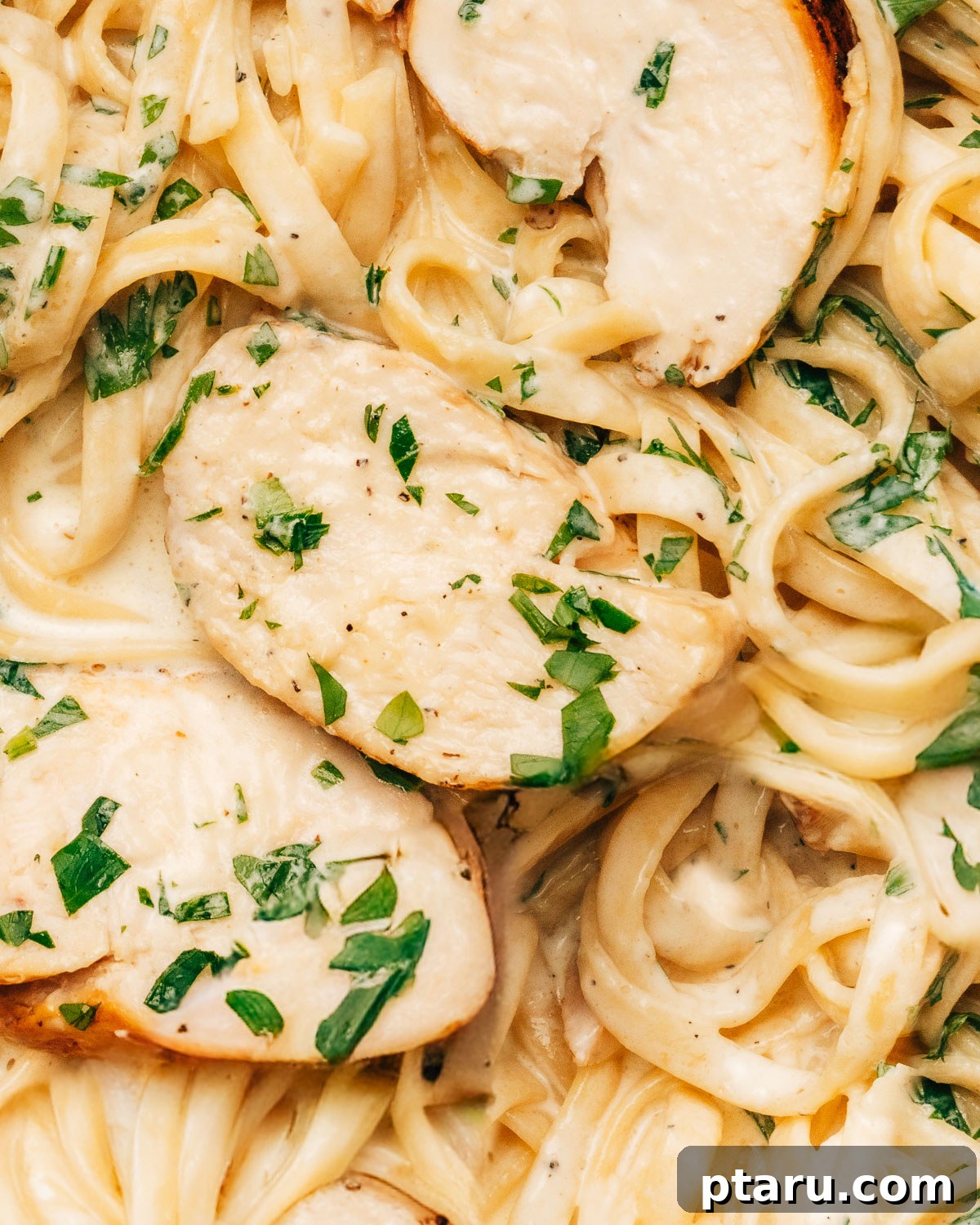
Indulge in the ultimate comfort food with this incredibly easy and utterly delicious Chicken Alfredo recipe. Imagine succulent, perfectly seasoned chicken, bathed in a luxurious, silky homemade alfredo sauce, all tossed with perfectly cooked fettuccine noodles. This beloved classic comes together in under 30 minutes, making it an ideal choice for a satisfying weeknight dinner or a special occasion. We’ll also reveal the top 4 common mistakes to avoid, ensuring your homemade Chicken Alfredo is foolproof and truly restaurant-quality every single time.
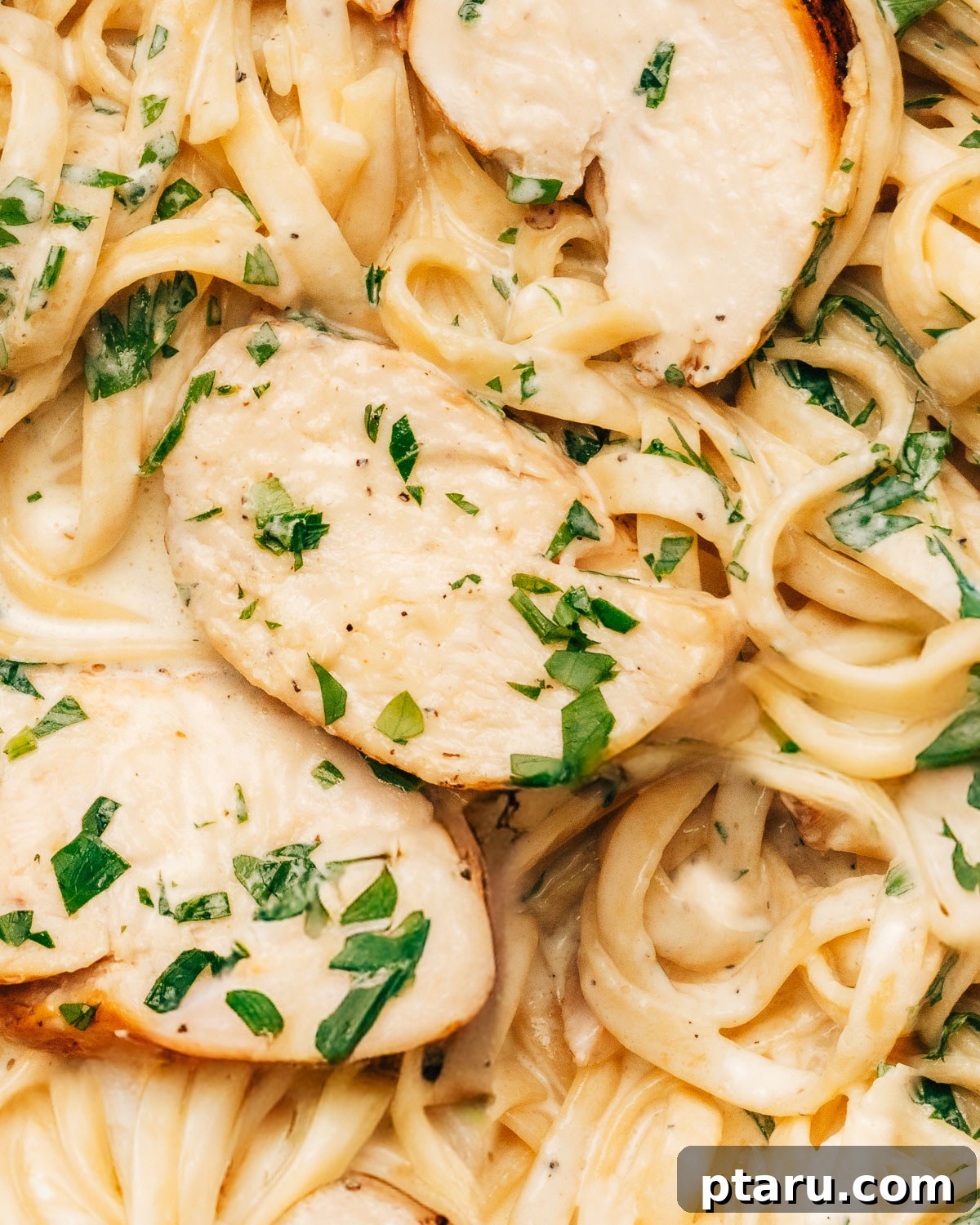
Having perfected this creamy chicken alfredo recipe through countless tests, I’ve distilled it down to its most essential steps and ingredients, ensuring a consistently delicious outcome. Forget complicated techniques or store-bought jarred sauces – this recipe brings authentic Italian-American flavors right to your kitchen with minimal effort. Prepare to impress yourself and your family with this delightful pasta dish that’s rich, satisfying, and incredibly simple to master.
Essential Chicken Alfredo Ingredients for Authenticity and Flavor
Creating a truly exceptional chicken alfredo doesn’t require an extensive list of exotic items. This recipe relies on readily available, high-quality ingredients that, when combined correctly, yield extraordinary restaurant-quality results. The secret to its rich flavor and velvety texture lies in selecting the right components and understanding their role. Say goodbye to mediocre, jarred sauces; with these fresh ingredients, you’ll craft a sauce that’s far superior.
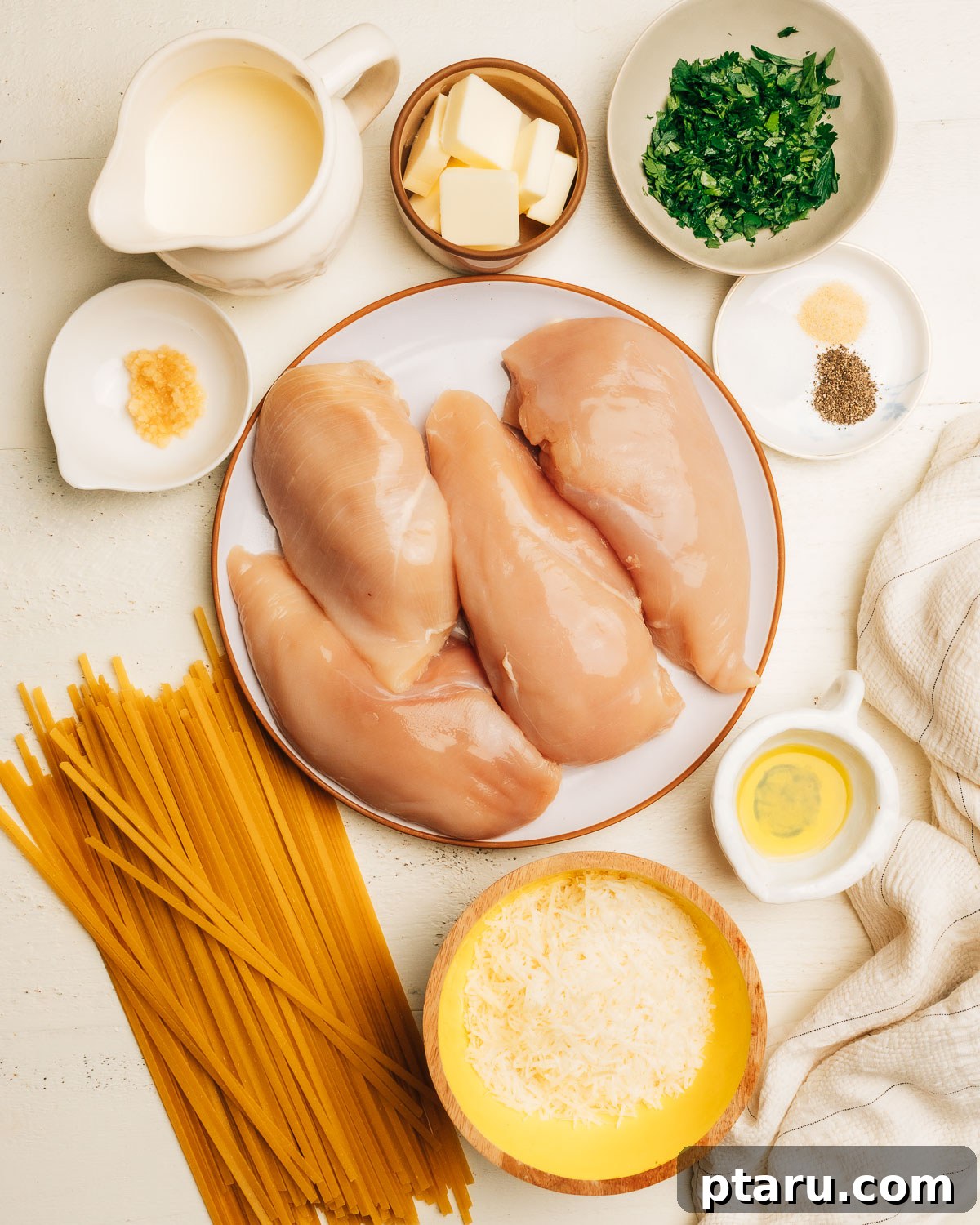
For the Perfect Pasta Base
- Fettuccine: This is the traditional and arguably best pasta for alfredo. Its wide, flat surface provides ample area for the rich, creamy sauce to cling to, ensuring every bite is coated in flavor. Cooking it to a perfect *al dente* (firm to the bite) is crucial for texture.
- Salt: Don’t underestimate the power of generously salting your pasta water. It’s your first and best opportunity to season the pasta itself, infusing flavor from the inside out. The water should taste “like the sea.”
For the Juicy Chicken
- Boneless, Skinless Chicken Breasts: These provide a lean and tender protein foundation for your dish. For even cooking and consistent juiciness, it’s highly recommended to pound them to a uniform thickness, usually about half an inch.
- Olive Oil: Used for searing the chicken, olive oil helps achieve a beautiful golden-brown crust, locking in moisture and adding a subtle, fruity flavor.
- Kosher Salt and Black Pepper: These fundamental seasonings enhance the natural flavor of the chicken, creating a savory depth that complements the rich sauce.
- Garlic Powder: A touch of garlic powder on the chicken adds another layer of aromatic, savory goodness, building a complex flavor profile even before the sauce comes into play.
For the Signature Alfredo Sauce
- Butter: The foundation of any authentic alfredo sauce. High-quality butter provides unparalleled richness and a smooth, luxurious mouthfeel.
- Minced Garlic: Freshly minced garlic is non-negotiable here. It infuses the sauce with a fragrant, pungent flavor that elevates the entire dish. Avoid pre-minced garlic for the best results.
- Heavy Cream: Also known as heavy whipping cream, this ingredient is key to the sauce’s characteristic thick, luxurious, and silky texture. It provides the richness that defines true alfredo.
- Kosher Salt and Black Pepper: Seasoning the sauce throughout the cooking process is essential. These spices balance the richness of the cream and cheese, bringing out their best qualities.
- Freshly-Grated Parmesan Cheese: This is perhaps the most critical ingredient for an exceptional alfredo sauce. Opt for real Parmigiano Reggiano and grate it yourself from a block. Pre-shredded cheeses often contain cellulose (an anti-caking agent) that can prevent smooth melting, leading to a grainy or clumpy sauce. Freshly grated cheese melts beautifully, creating an incredibly smooth and flavorful sauce.
- Chives or Parsley: Fresh herbs are not just for garnish; they add a vibrant pop of color and a fresh, herbaceous note that brightens up the rich dish, providing a delightful contrast.
You’ll find the complete list of ingredient quantities in the detailed recipe card at the conclusion of this article.
Creative Variations and Simple Substitutions for Your Chicken Alfredo
While the classic Chicken Alfredo is a masterpiece in itself, this recipe is wonderfully versatile, allowing for easy customization to suit your taste, dietary needs, or what you have on hand. Don’t hesitate to experiment with these simple modifications to make the dish uniquely yours:
- Explore Different Pasta Shapes: While fettuccine is traditional, this creamy sauce pairs beautifully with other pasta varieties. Consider using linguine for a slightly thinner noodle, penne or rigatoni for shapes that capture sauce in their ridges, or even pappardelle for a broader, heartier noodle.
- Opt for Juicier Chicken Thighs: If you prefer a richer flavor and more forgiving protein, swap boneless, skinless chicken breasts for chicken thighs. They tend to stay incredibly juicy and tender, even if slightly overcooked. Prepare them using the same searing method as the breasts.
- Incorporate Fresh Vegetables: Boost the nutritional value and add texture by stirring in your favorite sautéed vegetables. Broccoli florets, fresh spinach (which wilts quickly into the sauce), sun-dried tomatoes (for a burst of concentrated flavor), or sautéed mushrooms are all excellent choices. Cook them separately until tender-crisp before adding them to the finished pasta.
- Alfredo Shrimp Pasta: For seafood lovers, transform this into a delectable shrimp alfredo. Simply substitute the chicken with medium to large shrimp, seared quickly until pink and cooked through. Add the cooked shrimp to the sauce and pasta at the very end to prevent overcooking. You might also enjoy exploring my easy shrimp pasta or a more elaborate seafood pasta with garlic cream sauce.
- A Lighter Sauce Option: If you’re looking to reduce the richness slightly, you can use half-and-half in place of heavy cream. Be aware that the sauce will be thinner and less decadent, but it will still deliver a satisfying creamy flavor. You may need a whisk a pinch of flour with half & half before adding to pot to thicken it up more.
- Cajun Chicken Alfredo for a Kick: For those who crave a bit of heat and bold flavor, season your chicken with a generous amount of Cajun spices before searing. This will infuse the dish with a zesty, spicy kick that perfectly complements the creamy sauce.
If you’re a fan of creamy pasta dishes, you absolutely must try my crockpot chicken alfredo for a wonderfully hands-off approach, or my easy alfredo sauce with penne pasta when you’re truly short on time but still desire incredible flavor!
Essential Kitchen Tools for Effortless Preparation
One of the beauties of this Chicken Alfredo recipe is that it doesn’t require any specialized gadgets. You likely already possess all the necessary equipment in your kitchen. Having these basic tools organized and ready will make the cooking process smooth and enjoyable:
- Large Pot: Indispensable for boiling the fettuccine. Remember, pasta needs plenty of space and ample, generously salted water to cook properly and prevent sticking.
- Large Skillet: Essential for achieving that beautiful golden-brown sear on your chicken breasts. A cast iron skillet works exceptionally well here for even heat distribution and superior browning.
- Large Saucepan: This is where the magic happens for your alfredo sauce. A good-sized saucepan allows for easy whisking and ensures the cream doesn’t boil over.
- Whisk: Crucial for incorporating the heavy cream and Parmesan cheese smoothly into the sauce, preventing lumps and ensuring a velvety texture.
- Instant-Read Thermometer: Your best friend for perfectly cooked chicken. It removes guesswork, ensuring the chicken reaches a safe internal temperature of 165°F (74°C) without becoming dry and overcooked.
- Tongs: Extremely useful for flipping the chicken safely and efficiently, as well as for tossing the cooked pasta with the creamy alfredo sauce to ensure even coating.
How to Make Perfect Chicken Alfredo: A Step-by-Step Easy Guide
Creating homemade chicken alfredo might seem daunting, but it’s surprisingly straightforward and quicker than you’d imagine. By following these simple steps, you’ll achieve a restaurant-quality dish in just about 30 minutes.
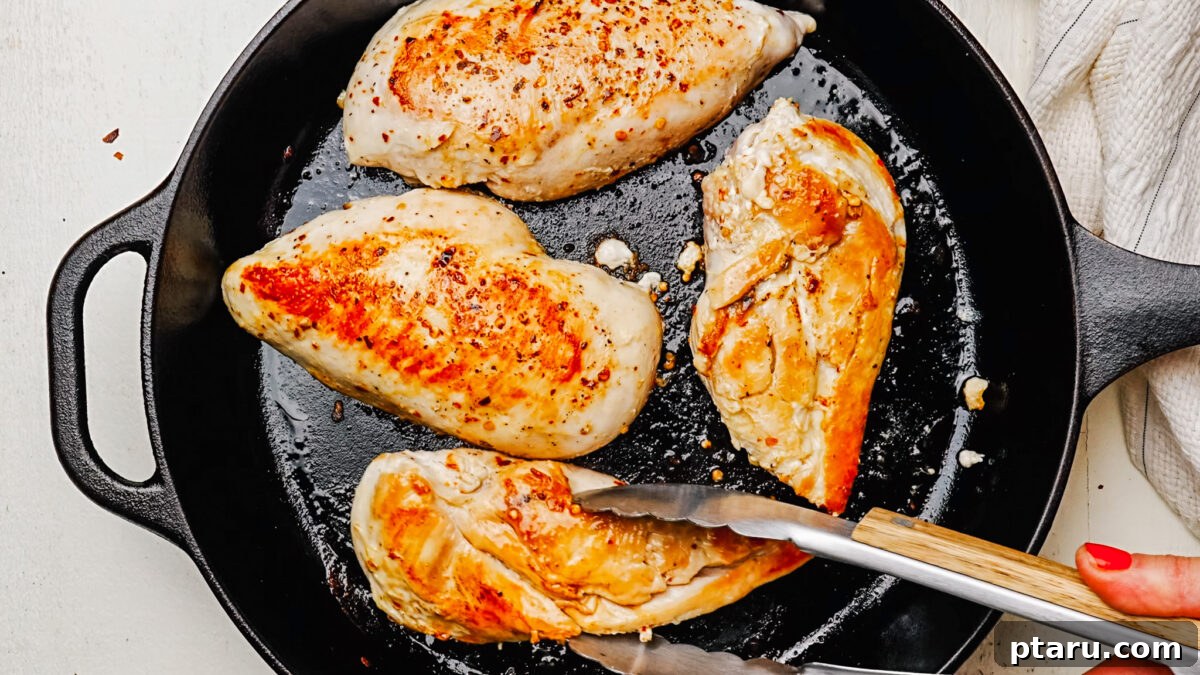
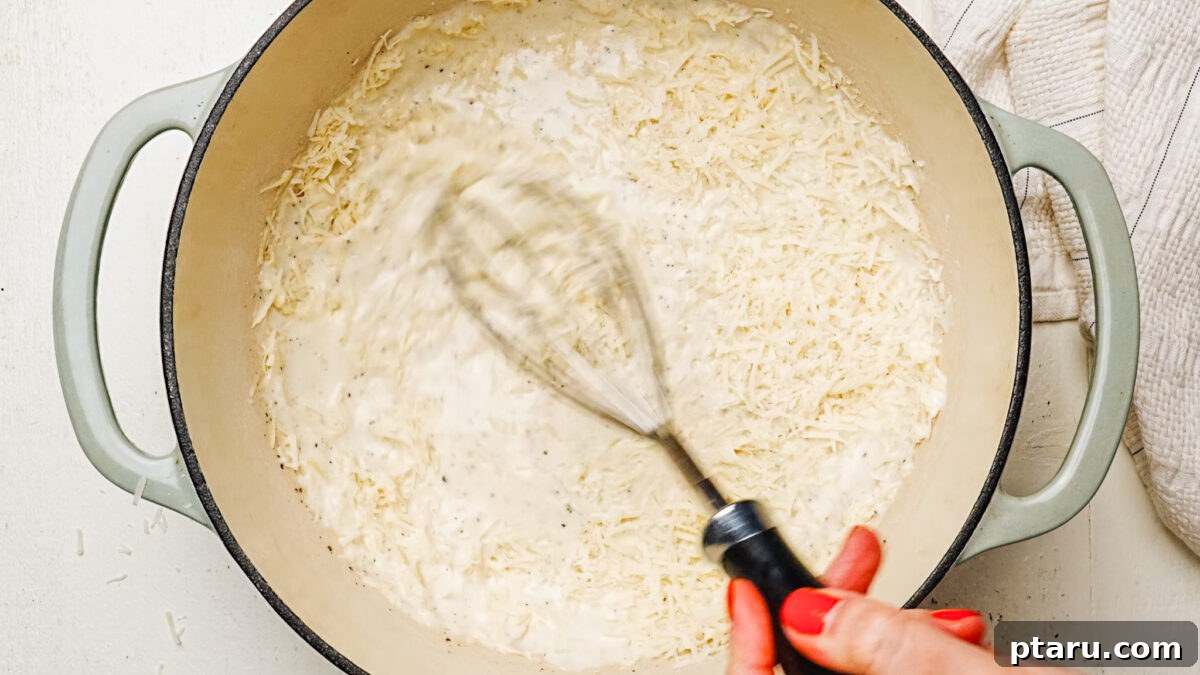
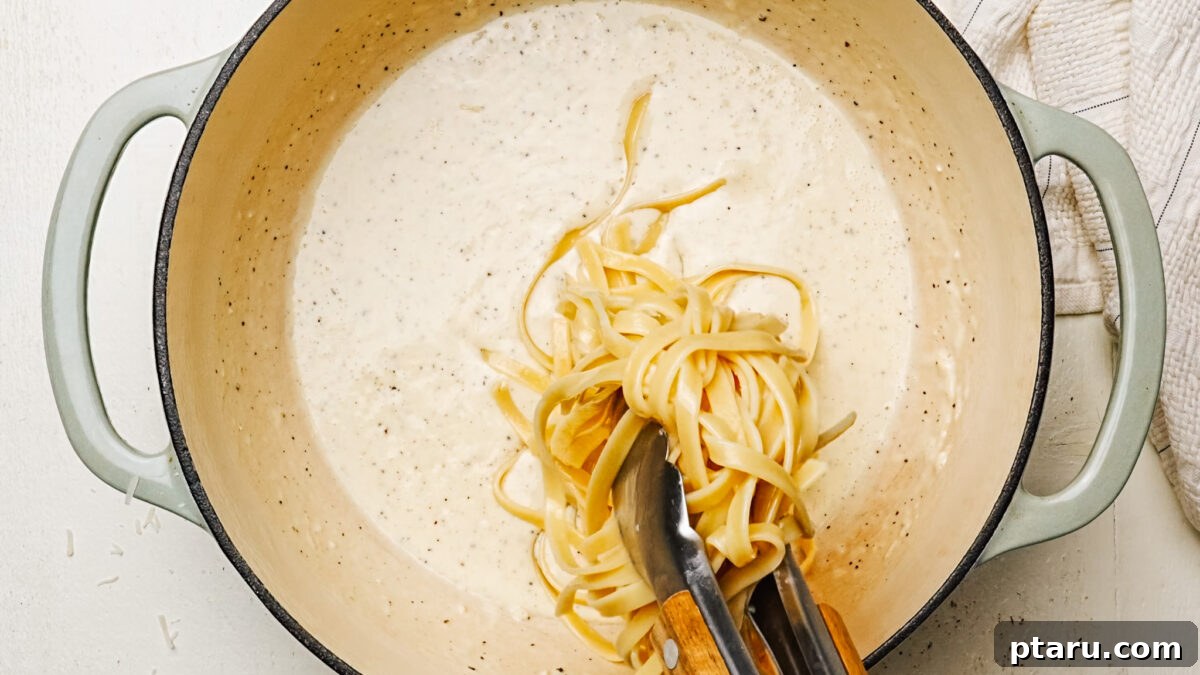
1. Perfectly Cook the Chicken
Begin by ensuring your boneless, skinless chicken breasts are thoroughly dry. Pat them well with paper towels; this step is crucial for achieving a beautiful, even sear. Season both sides generously with kosher salt, black pepper, and garlic powder. In a large skillet, heat the olive oil over medium-high heat until it shimmers, indicating it’s hot enough for searing.
Carefully add the seasoned chicken to the hot skillet. Sear each side for 5 to 6 minutes, resisting the urge to move the chicken around. This undisturbed cooking time allows a desirable golden-brown crust to develop, which adds incredible flavor and texture. Use an instant-read thermometer to check the internal temperature, aiming for 165°F (74°C). Once cooked, transfer the chicken to a clean plate and let it rest. Resting is essential; it allows the juices to redistribute throughout the meat, ensuring every bite is tender and juicy.
2. Cook the Fettuccine Pasta
While your chicken is resting, bring a large pot of generously salted water to a rolling boil. The water should taste noticeably salty, similar to seawater. Add the fettuccine noodles and cook them according to the package directions until they are *al dente* – meaning firm to the bite, not mushy. Before draining, make sure to reserve about half a cup of the starchy pasta water. This “liquid gold” is incredibly useful for adjusting the consistency of your alfredo sauce later on, helping it emulsify and cling perfectly to the pasta. Drain the cooked pasta and set it aside.
3. Craft the Silky Alfredo Sauce
As the pasta cooks, melt the butter in a large saucepan over medium heat. Once melted, add the minced garlic and sauté it for about 1 minute, or until it becomes wonderfully fragrant. Be careful not to let the garlic brown, as burnt garlic can impart a bitter flavor to your sauce.
Next, whisk in the heavy cream, along with the kosher salt and black pepper. Bring the mixture to a gentle simmer and let it cook for 2 to 3 minutes, stirring occasionally, until it begins to slightly thicken. Now for the most important step to prevent a grainy sauce: take the pan completely off the heat before adding the Parmesan cheese. Whisk in the freshly-grated Parmesan cheese vigorously until it is completely melted and the sauce is smooth and luscious. Adding cheese off the heat prevents the proteins from seizing.
If your alfredo sauce appears too thick, simply thin it out with a splash of the reserved pasta water, adding it gradually until you achieve your desired velvety consistency. This starchy water helps the sauce bind beautifully.
4. Combine and Serve Your Masterpiece
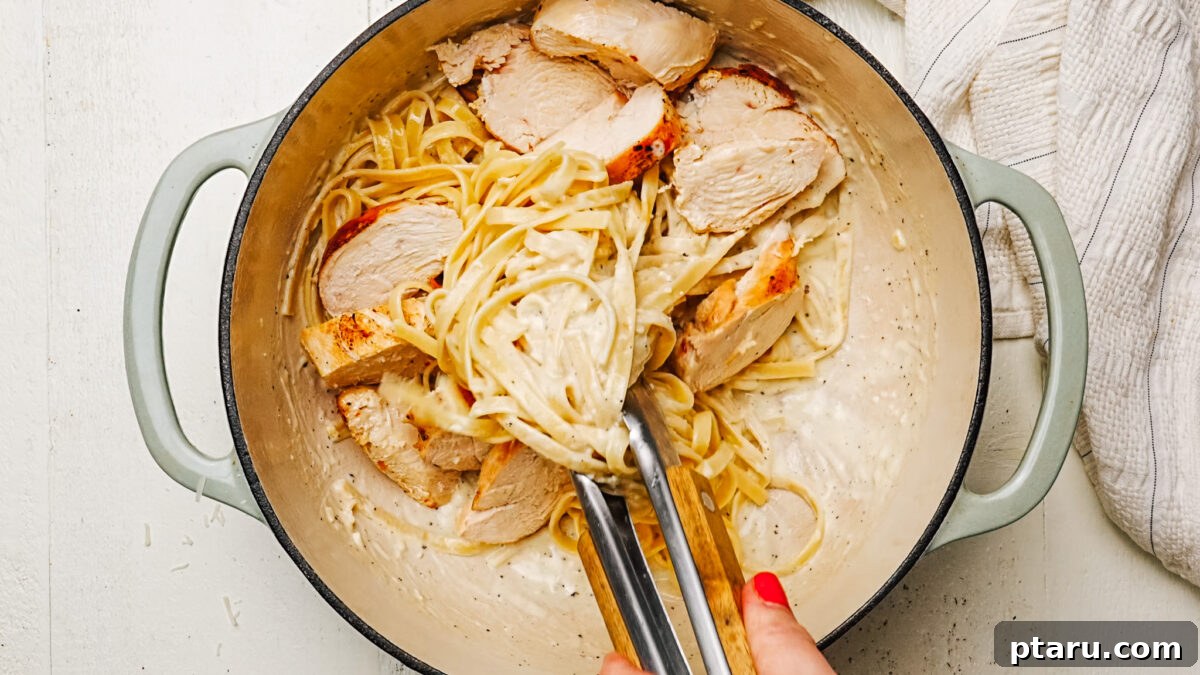
Once the chicken has rested, slice it crosswise into even strips, ready to be incorporated into the pasta. Add the drained fettuccine directly into the saucepan with your freshly made alfredo sauce. Using tongs, toss the pasta thoroughly to ensure every strand is generously coated in the creamy sauce. Gently fold in the sliced chicken strips, tossing just enough to warm them through and combine all the ingredients.
Taste the dish and adjust the seasoning if needed, adding more salt or pepper to your preference. If you prefer a saucier consistency, you can incorporate an additional 1/4 cup of the reserved pasta cooking water at a time, tossing until it reaches your liking.
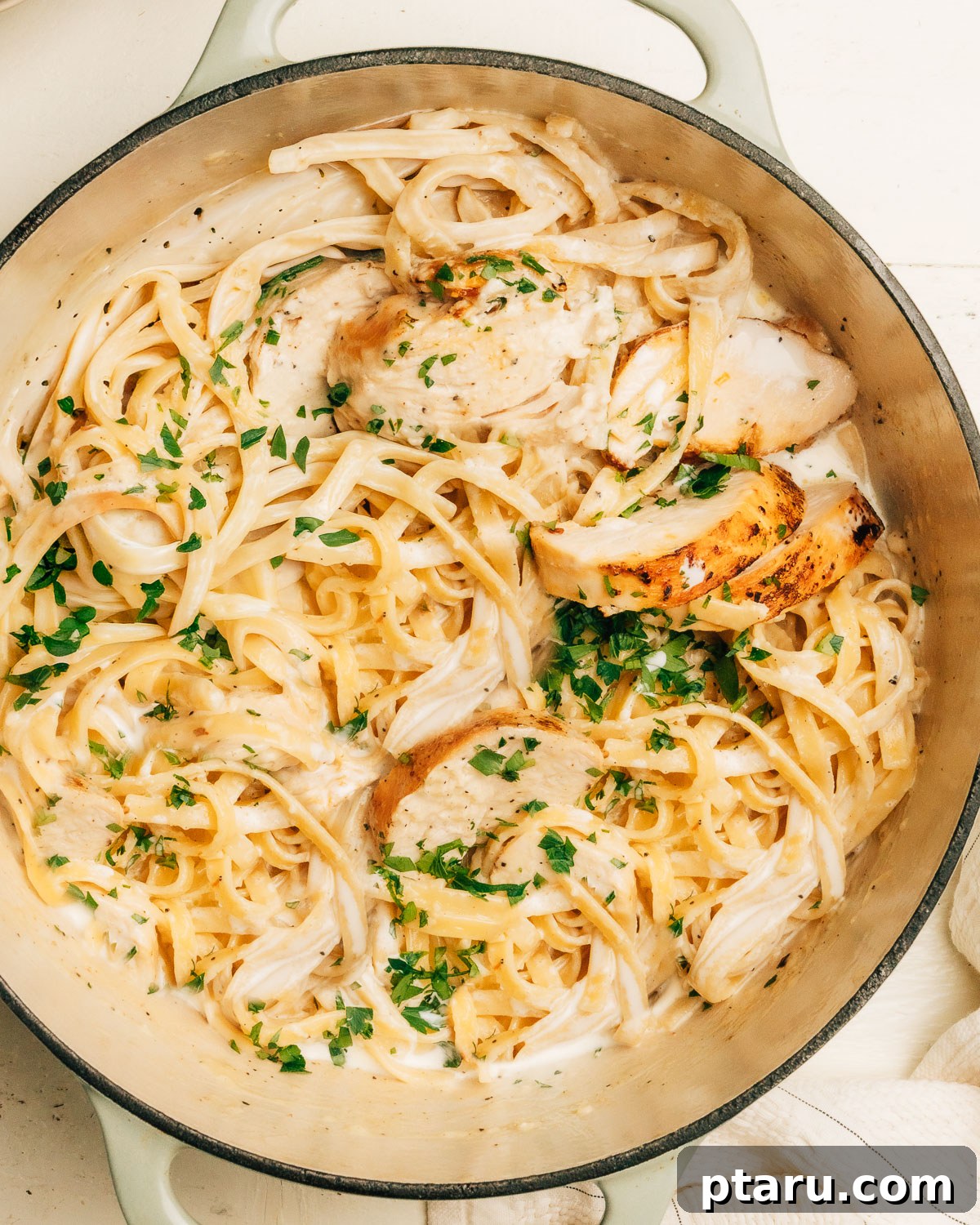
Serve your perfect Chicken Alfredo immediately, garnished with a sprinkle of fresh minced chives or parsley for a pop of color and fresh flavor. Enjoy the rich, comforting flavors you’ve created from scratch!
4 Common Mistakes to Avoid for Flawless Chicken Alfredo (Scientifically Explained!)
As a food scientist, I understand the subtle nuances that can make or break a recipe. Chicken Alfredo, while seemingly simple, has a few common pitfalls. Here are the most frequent mix-ups home cooks encounter and how to avoid them, ensuring your sauce is consistently creamy and your chicken is perfectly juicy:
- Using Pre-Shredded Parmesan Instead of Freshly Grated: This is perhaps the biggest culprit for a grainy or clumpy alfredo sauce. Pre-shredded cheeses are often coated with anti-caking agents like cellulose (essentially wood pulp) to prevent them from sticking together in the bag. These agents also inhibit the cheese from melting smoothly into a creamy liquid, leading to an undesirable texture.
The Solution: Always, and I mean *always*, use freshly-grated Parmesan cheese from a solid block. Real Parmigiano Reggiano is worth the investment for its superior flavor and guaranteed smooth melt. This is non-negotiable for achieving that luxurious, silky sauce. - Overheating the Cheese in the Sauce: Adding Parmesan cheese directly to boiling hot cream is a recipe for disaster. The intense heat causes the delicate milk proteins in the cheese to seize up almost instantly, leading to a clumpy, separated, and grainy sauce.
The Solution: The trick is to remove the pan from the heat *before* whisking in the Parmesan cheese. The residual heat from the cream will be sufficient to gently melt the cheese into a perfectly smooth, emulsified sauce without shocking the proteins. - Overcooking the Chicken Breasts: Dry, rubbery chicken can completely ruin an otherwise perfect pasta dish. Chicken breasts are lean and prone to drying out quickly when exposed to high heat for too long.
The Solution: Use an instant-read thermometer to monitor the chicken’s internal temperature, aiming for exactly 165°F (74°C). Pull it off the heat as soon as it reaches this temperature. Furthermore, letting the cooked chicken rest for 5-10 minutes before slicing is truly essential. This allows the muscle fibers to relax and reabsorb their juices. If you cut into it too fast, all those delicious juices will simply run out onto the cutting board instead of staying within the chicken, leaving you with dry meat. - Letting the Alfredo Sauce Sit for Too Long Before Serving: Alfredo sauce, being cream and cheese-based, naturally thickens considerably as it cools. If you let the assembled dish sit for an extended period, you’ll end up with a very thick, almost stiff pasta that’s far from the creamy ideal.
The Solution: Alfredo is a dish that demands to be served immediately after combining. Toss the pasta with the sauce and chicken just before serving to ensure the creamiest, most enjoyable results. If for some reason it does thicken too much, you can always thin it out with a splash of reserved pasta water or a little extra warm heavy cream when reheating.
Make Ahead and Storage Solutions for Your Chicken Alfredo
While Chicken Alfredo truly shines when served fresh, it’s also understandable to want to enjoy leftovers or prepare components in advance. With the right approach, you can still savor this delicious meal later.
Storing Leftovers Safely
- Refrigeration Guidelines: Store any leftover Chicken Alfredo in an airtight container in the refrigerator for up to 3 days. Beyond this, the quality of the sauce and chicken can diminish.
- Keep Components Together: For the best texture and moisture retention, it’s generally best to store the chicken, pasta, and sauce combined rather than separating them. Storing them separately can lead to the pasta drying out and the chicken losing its tenderness.
- Anticipate Thickening: Be aware that the alfredo sauce will naturally thicken significantly as it cools and chills in the refrigerator. This is a normal characteristic of cream-based sauces and is easily remedied during reheating.
Freezing Chicken Alfredo (Not Recommended)
- Cream-Based Sauce Challenges: Freezing is generally not recommended for cream-based sauces like Alfredo. The high-fat dairy can separate when frozen and thawed, resulting in a grainy, oily, or curdled texture that is difficult to restore. The delightful silky consistency will likely be lost.
- If You Must Freeze (Partial): If freezing is your only option, it’s best to freeze the cooked chicken separately from the pasta and sauce. Wrap the chicken tightly to prevent freezer burn. When you’re ready to enjoy the dish, thaw the chicken, and then prepare a fresh batch of alfredo sauce and cook new pasta.
Reheating Chicken Alfredo for Best Results
- Stovetop Method (Recommended): The stovetop is the preferred method for reheating. Place the leftovers in a saucepan over low heat. Add a splash of heavy cream or milk (about 1-2 tablespoons per serving) to help loosen the sauce as it warms. Stir constantly and gently until heated through and the sauce returns to a creamy consistency.
- Microwave Method: If using a microwave, heat in short 1-minute intervals, stirring thoroughly between each. Again, add a little milk or cream to prevent the pasta and chicken from drying out and to help the sauce regain its smoothness.
- Avoid Overheating: Regardless of the method, always reheat gently over low heat. High heat can cause the cream and cheese to break, leading to separation or an oily texture. Low and slow is the key to preserving the sauce’s integrity.
How to Serve This Irresistible Chicken Alfredo Recipe
This creamy and comforting Chicken Alfredo is incredibly rich and satisfying on its own, making it a complete meal. However, a few carefully chosen toppings and simple side dishes can elevate the dining experience, adding contrasting textures, flavors, and a touch of freshness.
Elevate Your Dish with Delicious Chicken Alfredo Toppings
A little garnish goes a long way in both presentation and flavor:
- Extra Freshly-Grated Parmesan Cheese: A final dusting of quality Parmesan adds another layer of salty, umami goodness and a beautiful finishing touch.
- Minced Fresh Parsley or Chives: These vibrant green herbs add a burst of freshness and a subtle herbaceous note that cuts through the richness of the sauce, offering a pleasant contrast.
- A Crack of Fresh Black Pepper: Freshly ground black pepper provides a subtle warmth and aromatic complexity that enhances the overall flavor profile.
- Red Pepper Flakes for a Spicy Kick: If you enjoy a bit of heat, a sprinkle of red pepper flakes adds a lively, piquant dimension to the creamy dish.
- A Drizzle of Good Olive Oil: A high-quality extra virgin olive oil drizzled just before serving can add a fruity aroma and a luxurious sheen to your pasta.
Perfect Side Dishes to Complement Chicken Alfredo
Balance the richness of the alfredo with refreshing or complementary sides:
- Cheesy Garlic Bread: The classic pairing! Crispy, buttery, and garlicky bread is perfect for scooping up every last bit of that luscious alfredo sauce. I highly recommend trying my no-knead cheesy garlic bread fingers.
- Kale Caesar Salad: A crisp, fresh salad like a kale Caesar salad provides a wonderful crunchy texture and a tangy contrast to the creamy pasta, cleansing the palate between bites.
- Steamed or Roasted Green Vegetables: Lightly steamed broccoli, roasted asparagus, or green beans offer a healthy, vibrant counterpoint. Their slightly bitter notes and fresh crunch are a perfect match.
- A Simple Green Salad with Italian Dressing: A straightforward mixed green salad tossed with a light vinaigrette, such as my homemade Italian dressing, is an excellent way to add freshness and acidity without overwhelming the main dish.
- Roasted Cherry Tomatoes: Roasting cherry tomatoes concentrates their sweetness and acidity, creating little bursts of flavor that cut through the richness and add a pop of color.
For even more inspiring ideas, explore my comprehensive guide to good sides for pasta.
Final Notes, Pro Tips, and Science-Based Secrets for the Best Chicken Alfredo
To truly master this classic and ensure your Chicken Alfredo is nothing short of spectacular, keep these expert tips and science-backed secrets in mind:
- The Parmesan Principle: Freshly Grated is Key: I cannot stress this enough. Pre-shredded cheese contains anti-caking agents that hinder smooth melting. Grating your own Parmesan from a block guarantees a perfectly creamy, velvety sauce every single time, as its natural fats and proteins emulsify beautifully.
- Temperature Control for Silky Sauce: Remember the science of cheese melting. High heat causes cheese proteins to clump and separate, leading to a grainy sauce. Always remove the pan with the heated cream from direct heat *before* whisking in the Parmesan. The residual warmth is sufficient to melt the cheese gently and create that coveted silky texture.
- Dry Chicken for Superior Searing: Moisture is the enemy of a good sear. Water on the surface of the chicken will steam it rather than sear it, preventing the formation of that delicious golden-brown crust (Maillard reaction). Patting the chicken thoroughly dry with paper towels ensures it browns better, faster, and develops a richer flavor.
- Resting the Chicken Prevents Dryness: This isn’t just a suggestion; it’s a critical step for juicy chicken. After cooking, allowing the chicken to rest for 5-10 minutes off the heat enables the muscle fibers to relax and reabsorb the juices that have migrated to the center during cooking. Cutting too soon will cause these precious juices to escape, leaving you with dry meat.
- Season Your Pasta Water Generously: Think of the pasta as a blank canvas. It absorbs flavor from its cooking liquid. Your pasta water should taste distinctly salty, like the sea. This seasons the pasta from the inside out, providing a flavorful base that enhances the entire dish.
- Work Quickly at the End: Alfredo sauce has a tendency to thicken rapidly as it cools. For the absolute creamiest and most cohesive results, have all your components ready and toss everything together – pasta, sauce, and chicken – while they are still hot. Serve immediately to enjoy the dish at its peak. If it does thicken, a splash of reserved pasta water or a little extra warm cream can revive it.
Frequently Asked Questions About Chicken Alfredo
Just skimming through? Here are some quick answers to the most commonly-asked questions about making this delightful Chicken Alfredo:
The best pasta for chicken alfredo is traditionally fettuccine. Its wide, flat noodles provide an excellent surface area for the rich, creamy sauce to cling to, ensuring every bite is flavorful. Other great options that work well with creamy sauces include linguine, penne, or broad pappardelle.
Yes, you can substitute heavy cream with milk (preferably whole milk) to make a lighter version of chicken alfredo. However, the sauce will be noticeably thinner and less rich and luxurious. To help thicken it, you might consider whisking in a tablespoon of flour with the milk before heating. Half-and-half offers a good middle ground between heavy cream and milk, providing more richness than milk but less fat than heavy cream.
To achieve a perfectly smooth and creamy alfredo sauce, the most crucial step is to remove the pan from the heat *before* you whisk in the Parmesan cheese. High heat can cause the cheese proteins to seize up and clump, leading to a grainy texture. Additionally, always use freshly-grated Parmesan from a block; pre-shredded cheeses often contain anti-caking agents that prevent them from melting smoothly.
Absolutely! Boneless, skinless chicken thighs are an excellent alternative to chicken breasts in this recipe. They tend to be more forgiving and retain more moisture, resulting in even juicier chicken. Cook them using the same method, searing until golden brown and ensuring they reach an internal temperature of 165°F (74°C).
To reheat chicken alfredo and maintain its creamy texture, warm it gently over low heat on the stovetop. As the sauce thickens significantly when refrigerated, add a splash of heavy cream or milk (1-2 tablespoons per serving) to loosen it. Stir frequently and avoid using high heat, which can cause the sauce to separate or become oily.
Many vegetables complement chicken alfredo beautifully. Popular additions include sautéed broccoli florets, fresh spinach (which wilts quickly into the sauce), sun-dried tomatoes, mushrooms, or peas. For best results, sauté these vegetables separately until tender-crisp, then stir them into the finished pasta dish at the end to preserve their texture and vibrant color.
Leftover chicken alfredo can be safely stored in an airtight container in the refrigerator for up to 3 days. The sauce will thicken as it cools, which is normal. When reheating, remember to add a splash of cream or milk to restore its smooth, creamy consistency.
Yes, you can prepare the alfredo sauce up to 2 days in advance and store it in an airtight container in the refrigerator. When ready to use, reheat it gently over low heat, whisking constantly and adding a splash of cream or milk to thin it out if necessary. While fresh sauce is always ideal, this method works well in a pinch for meal prep.
More Creamy Pasta Recipes You’ll Adore
- Easy Alfredo Sauce with Penne Pasta
- Crockpot Chicken Alfredo
- Asiago Tortelloni Alfredo with Grilled Chicken
- Creamy Tuscan Chicken
- Seafood Pasta with Garlic Cream Sauce
- Butternut Squash Pasta Sauce
- Cheese Sauce for Mac and Cheese
Print Recipe
Perfect Chicken Alfredo (Foolproof Recipe!)
By: Jennifer Pallian BSc, RD
Creamy, comforting chicken alfredo with juicy seared chicken, silky homemade alfredo sauce, and perfectly cooked fettuccine. Ready in about 30 minutes for a delightful weeknight meal.
Prep Time: 10 minutes
Cook Time: 20 minutes
Total Time: 30 minutes
Servings: 4
Ingredients
For the Chicken
- 4 boneless skinless chicken breasts
- 2 tbsp olive oil
- 1 tsp kosher salt
- ¼ tsp freshly ground black pepper
- ¼ tsp garlic powder
For the Pasta
- 12 oz fettuccine
- Salt, for pasta water
For the Alfredo Sauce
- 6 tbsp butter
- 2 tsp minced garlic (2 large cloves)
- 1 cup heavy cream
- ½ tsp kosher salt
- ¼ tsp black pepper
- 1 cup freshly-grated Parmesan cheese
- Minced chives or parsley to serve
Instructions
Sear the Chicken
- Pat chicken dry and season both sides with salt, pepper, and garlic powder. Heat olive oil in a large skillet over medium-high heat.
- Add chicken and sear for 5 to 6 minutes per side, until golden brown and cooked through (165°F internal temp). Transfer to a plate and let it rest while you prepare the pasta and sauce.
Boil the Pasta
- Bring a large pot of generously salted water to a rolling boil. Add fettuccine and cook until al dente, according to package directions. Reserve 1/2 cup pasta water before draining, then set the drained pasta aside.
Make the Alfredo Sauce
- While the pasta cooks, melt butter in a large saucepan over medium heat. Add minced garlic and cook for about 1 minute until fragrant. Do not let it brown.
- Whisk in heavy cream, salt, and pepper. Let it simmer gently for 2 to 3 minutes until it slightly thickens.
- Remove the pan from the heat. Whisk in the freshly-grated Parmesan cheese until completely melted and smooth. This step is crucial to prevent graininess.
- If the sauce seems too thick, gradually thin it with about 1/4 cup of the reserved pasta water, adding more as needed until your desired consistency is reached (up to the full 1/2 cup).
Combine Chicken Alfredo
- Slice the rested chicken into crosswise strips.
- Add the drained fettuccine and sliced chicken to the Alfredo sauce in the large pot. Toss gently to coat all ingredients evenly and heat through.
- Taste the dish and adjust seasoning with more salt or pepper if necessary. Serve immediately, topped with a sprinkle of minced chives or fresh parsley.
Notes
- Parmesan Cheese: Always use freshly-grated Parmesan from a block, not pre-shredded. The anti-caking agents in pre-shredded cheese make the sauce grainy.
- Sauce Tip: Remove the pan from heat before adding the cheese. This keeps the sauce creamy and prevents graininess from overheating.
- Pasta Water: Reserve about 1/2 cup of pasta water before draining. The starchy water helps thin the sauce and helps it cling to the pasta.
- Chicken: Let the chicken rest before slicing. This keeps it juicy. Use a thermometer to ensure it reaches 165°F (74°C).
- Storage: Store leftovers in an airtight container in the fridge for up to 3 days. Add a splash of cream or milk when reheating.
Nutrition
Nutrition information is automatically calculated, so should only be used as an approximation.
Calories: 982kcal | Carbohydrates: 66g | Protein: 46g | Fat: 60g | Saturated Fat: 31g | Polyunsaturated Fat: 4g | Monounsaturated Fat: 19g | Trans Fat: 1g | Cholesterol: 279mg | Sodium: 1617mg | Potassium: 743mg | Fiber: 3g | Sugar: 3g | Vitamin A: 1719IU | Vitamin C: 2mg | Calcium: 308mg | Iron: 2mg
Tried this recipe? Leave a comment!