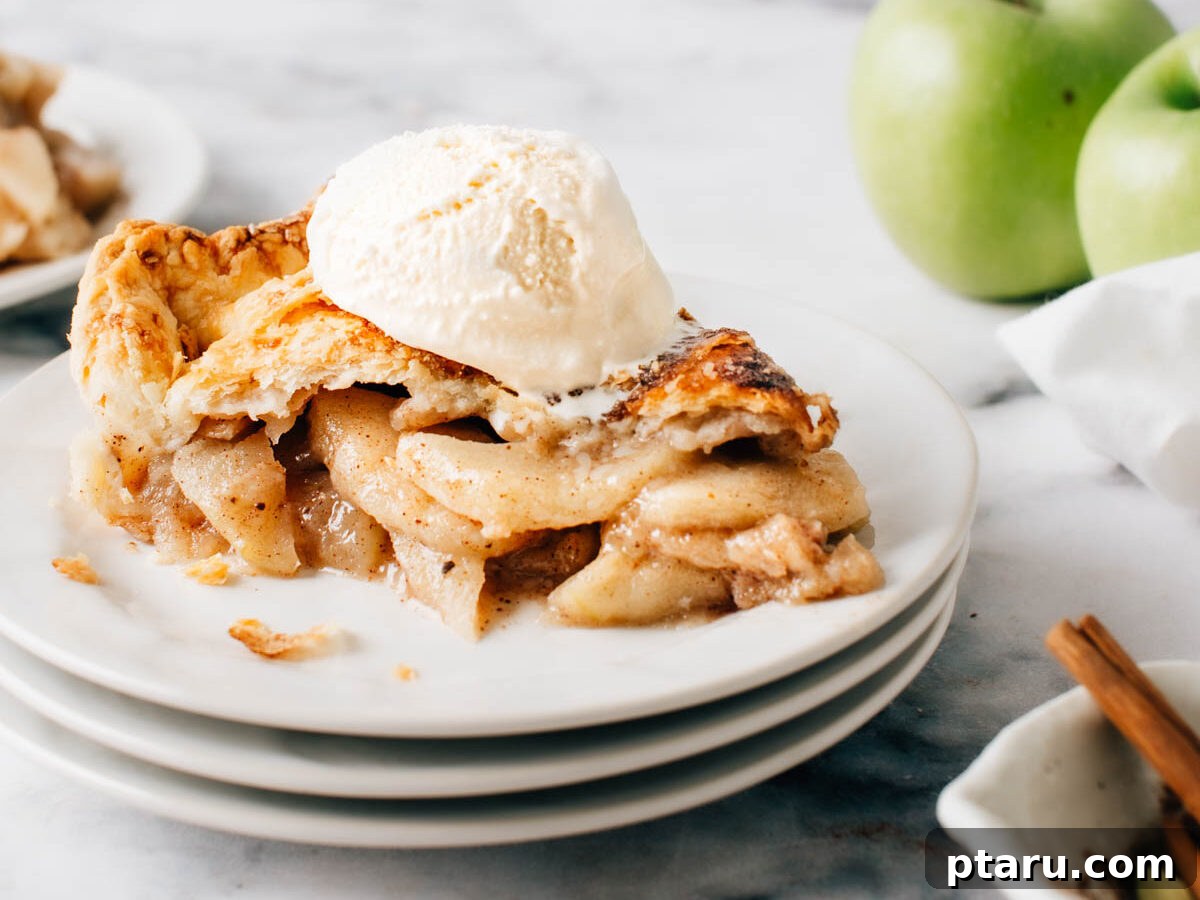
Pie recipes for every season and skill level: fruit pies and cobblers, silky cream pies, free-form galettes, savory pot pies and quiches, plus the two crusts I use for nearly everything.
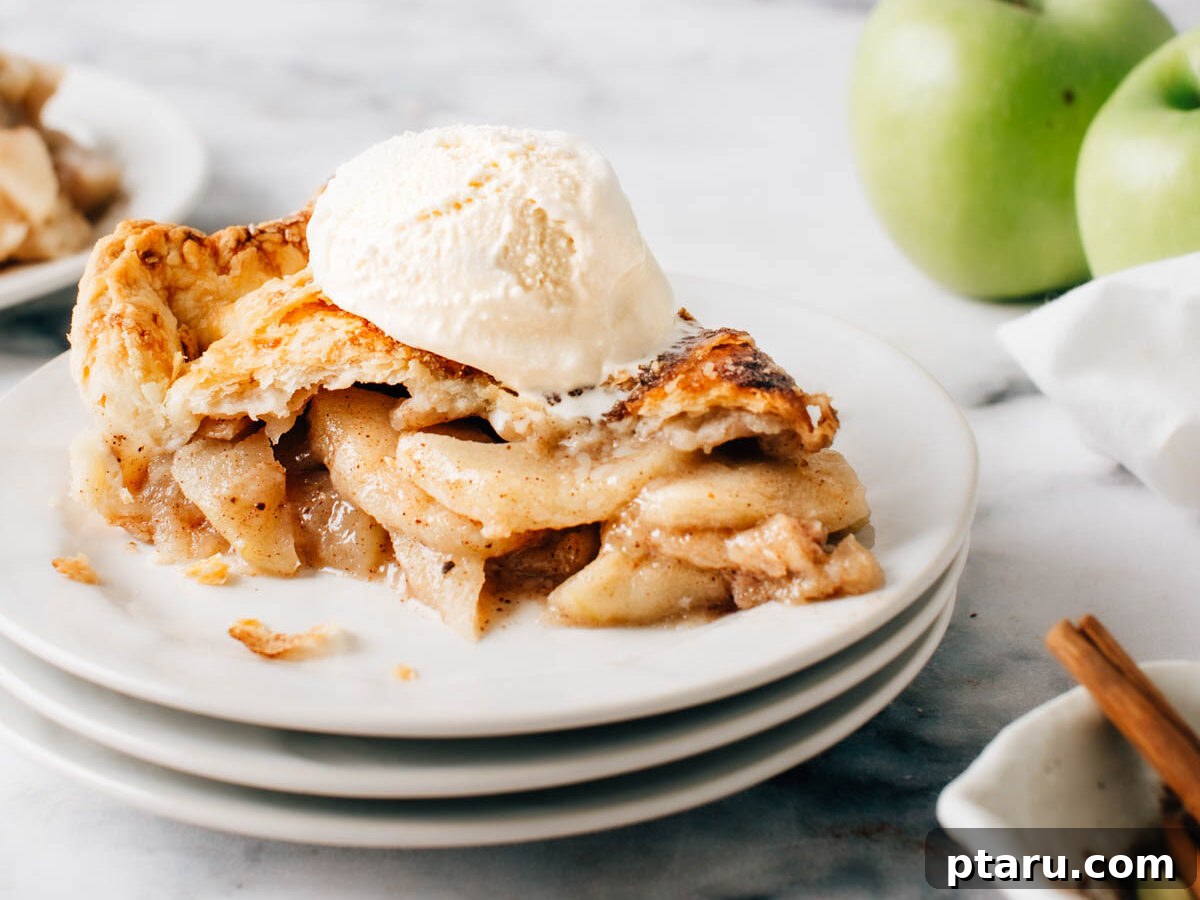
I have been baking and refining pies on this site since 2010. Below are 48 recipes I return to again and again, grouped by type so you can jump to what you need. One idea runs through almost every recipe: control of moisture. Fruit and vegetables release water, and melted butter can introduce it too soon. Nearly every technique here is a way to manage that—cold butter, thickeners that reach a boil, or cooking vegetables before they meet pastry.
Apple Pie Recipes
Apple season inspires many home bakers. These three cover a straightforward classic, a warmly spiced version, and a baked tart that stays crisp.
Easy Apple Pie (Just 6 Ingredients)
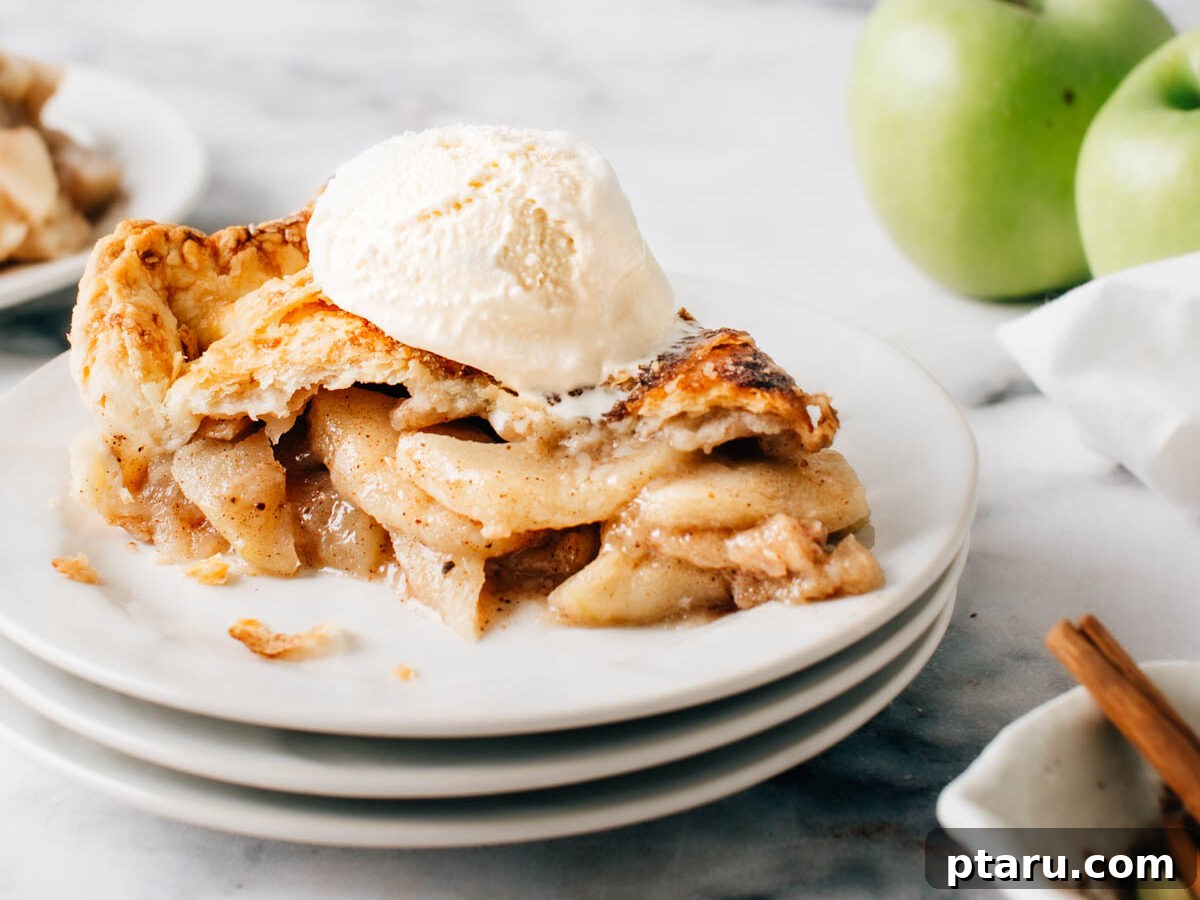
Easy Apple Pie (Just 6 Ingredients): A simple filling that slices cleanly instead of turning soupy. Use firm, tart apples so their pectin holds the slices together during baking.
Chai Apple Pie
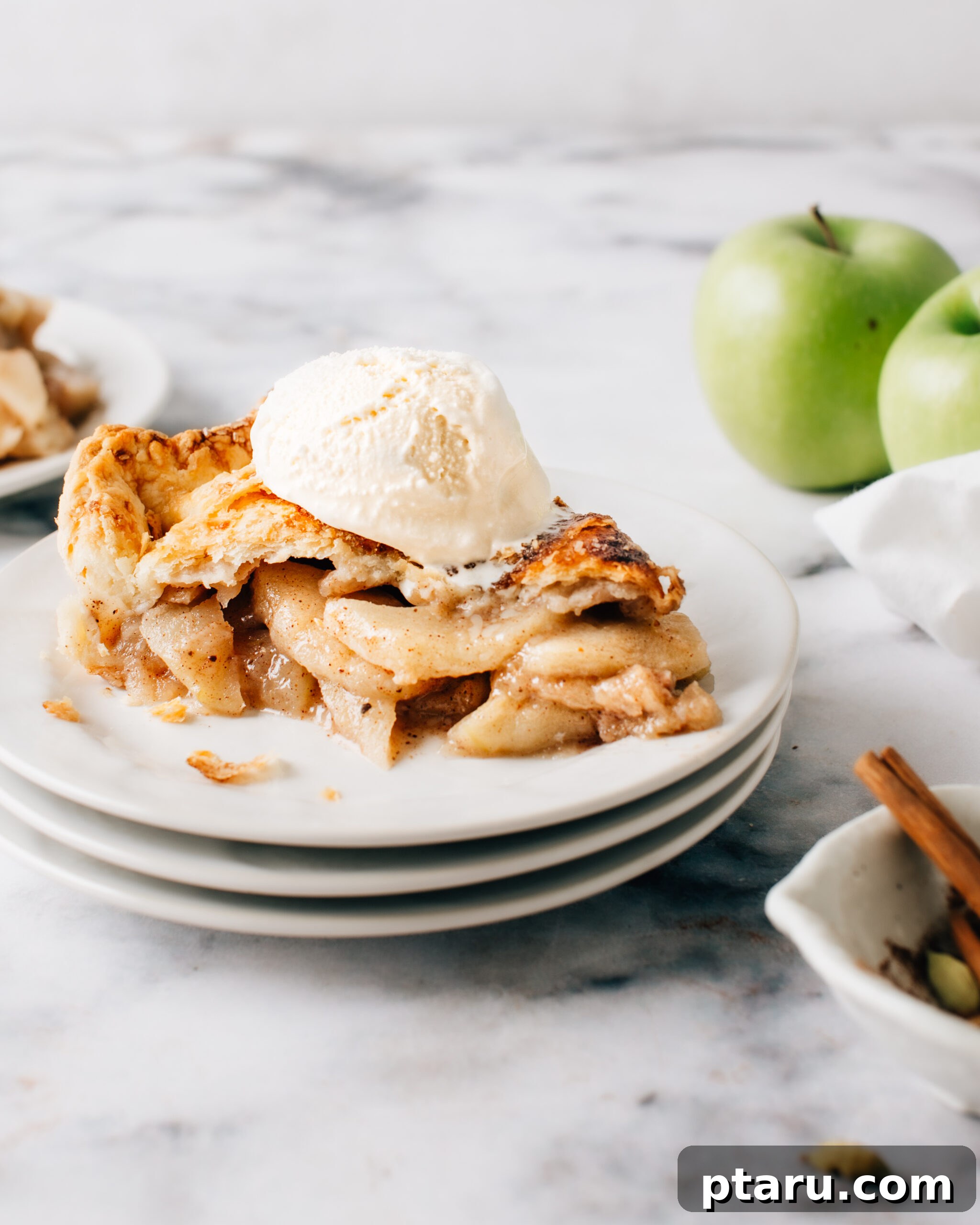
Chai Apple Pie: Black tea and warming spices—cardamom, ginger and clove—infuse the filling for a flavor profile that feels spiced and layered without relying on cinnamon alone.
Apple Tart with Frangipane
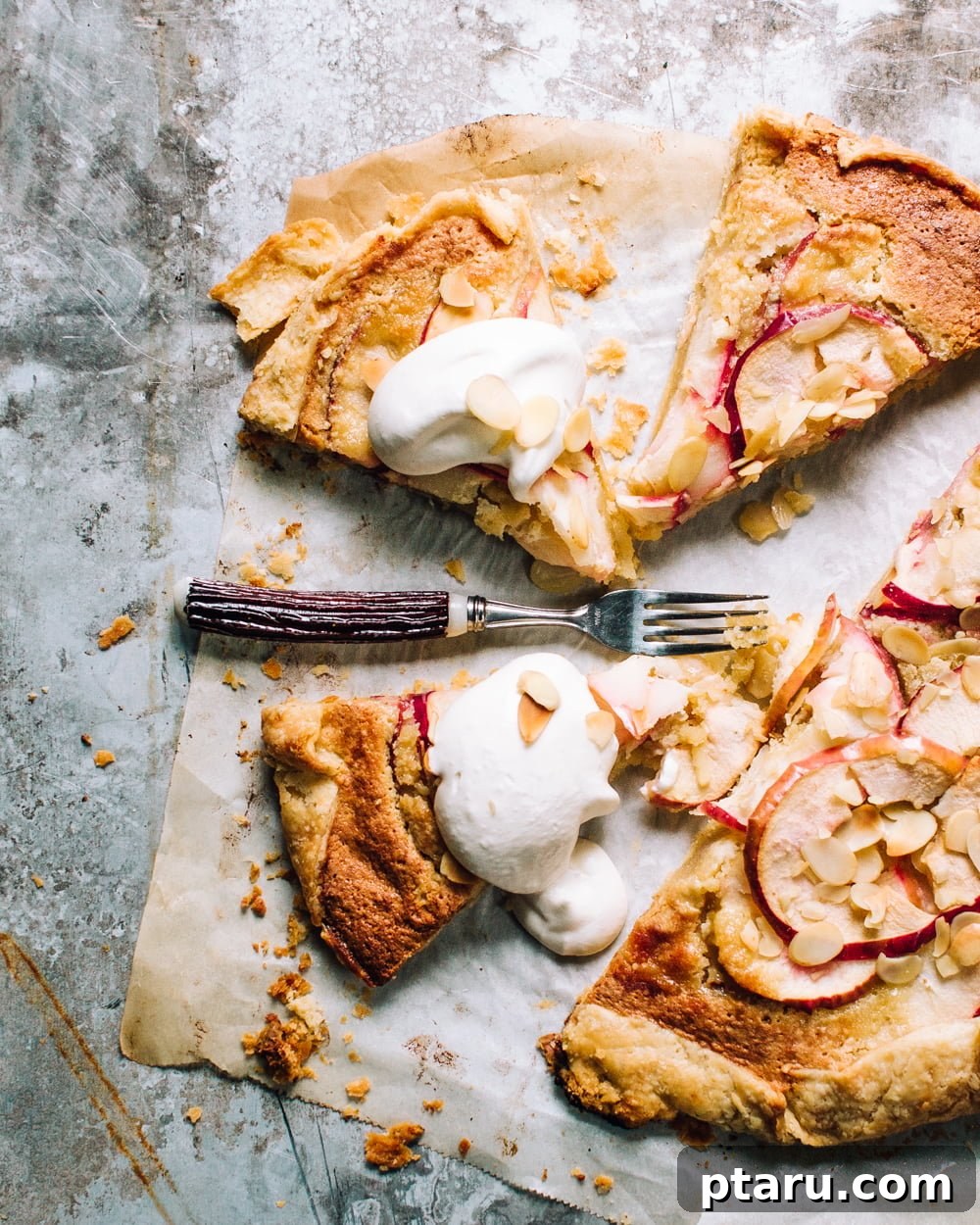
Apple Tart with Frangipane: Almond cream beneath the apples soaks up their juices and keeps the crust crisp instead of soggy—the trick to a tart that stays textured.
Pumpkin and Holiday Pies
These pies often appear just once a year, so they’re worth nailing when they do. They focus on custard texture and simple techniques that prevent cracking or weeping.
Best Easy Pumpkin Pie
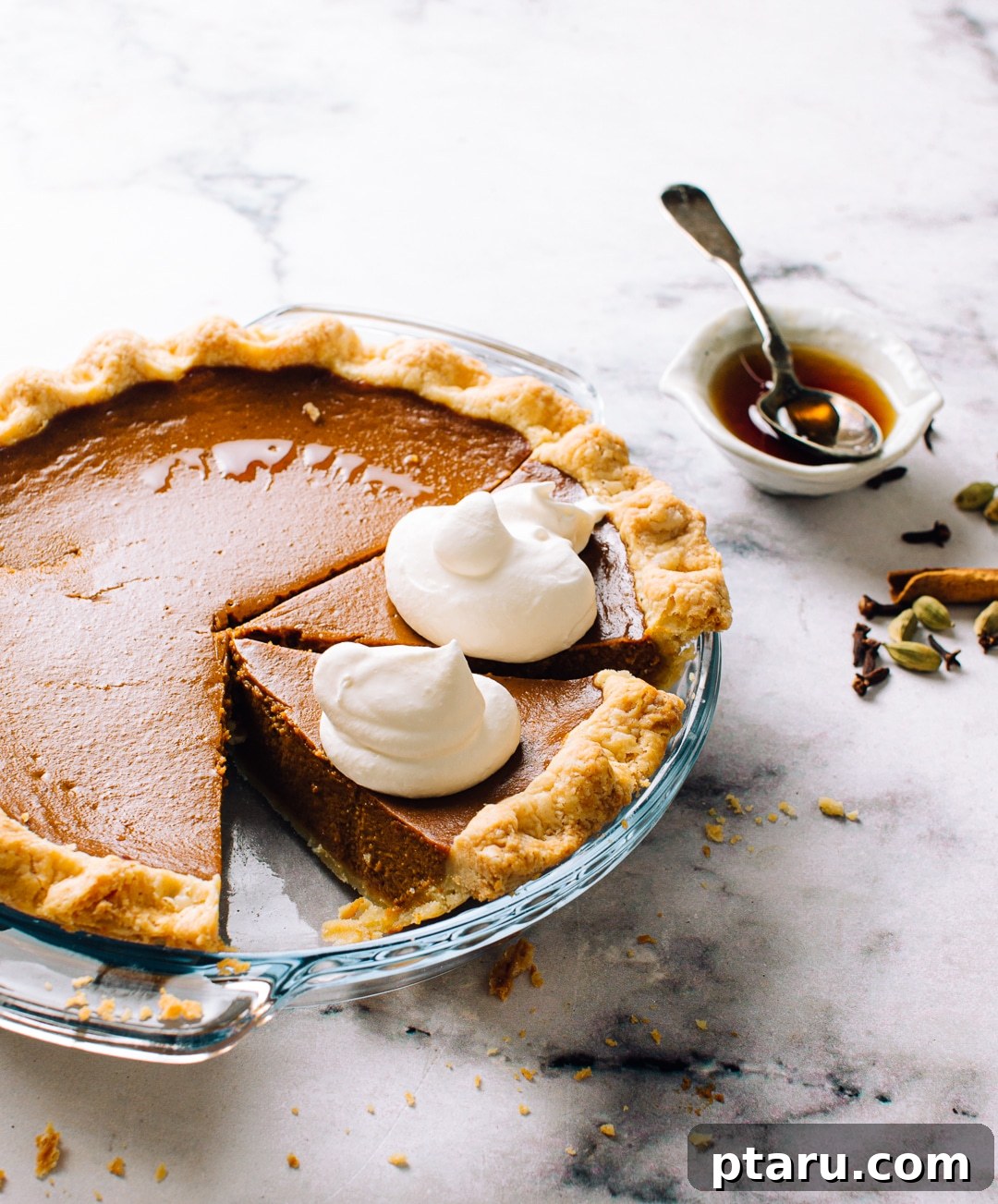
Best Easy Pumpkin Pie: No blind baking or water bath required. Remove it when the center still wobbles slightly—carryover heat finishes the custard without cracking the top.
Nut-Crusted Cranberry Tart
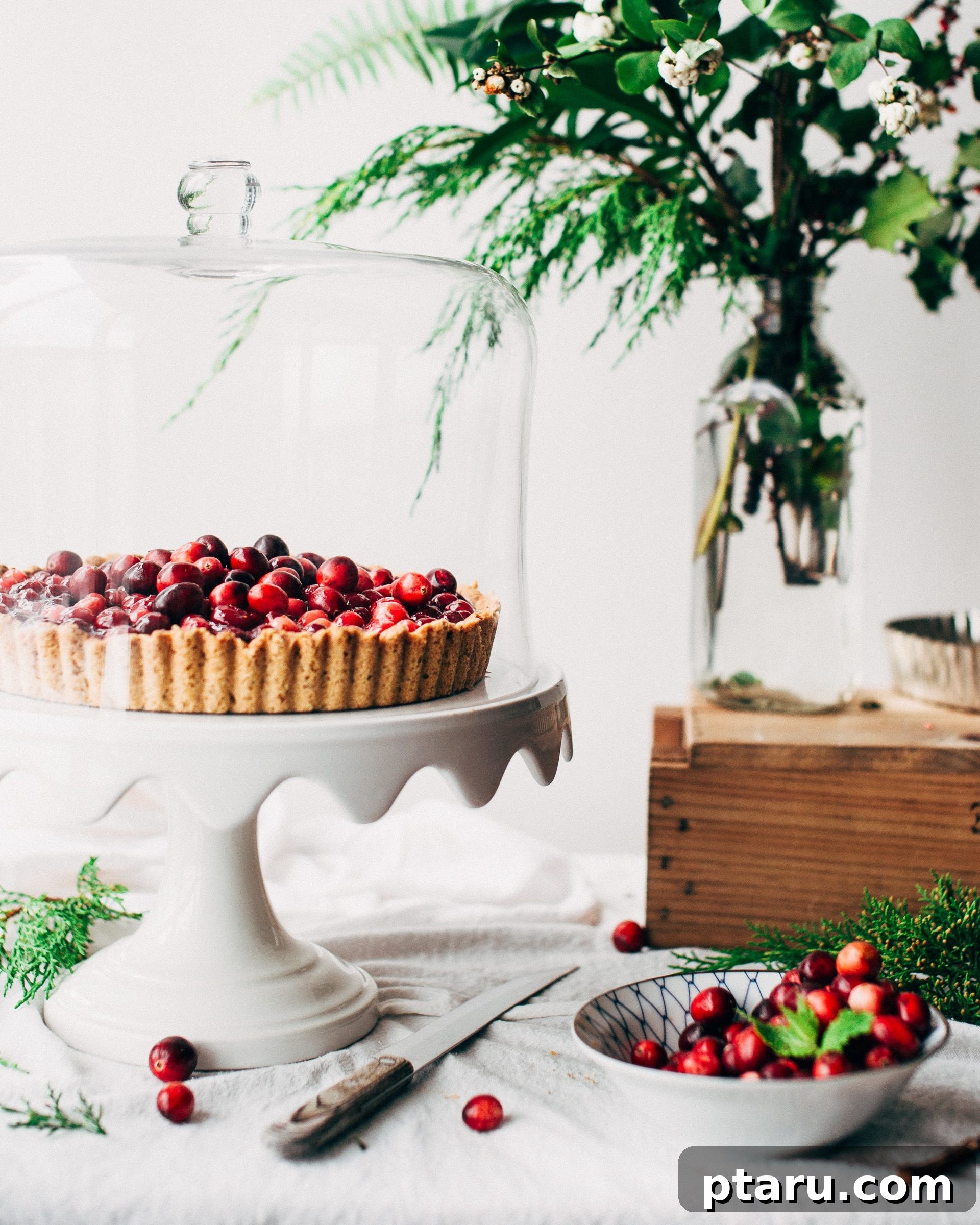
Nut-Crusted Cranberry Tart: A pressed nut crust replaces traditional pastry so there’s no rolling. The cranberries become jammy and bright against the rich base.
Tarte au Sucre (Belgian Sugar Pie)
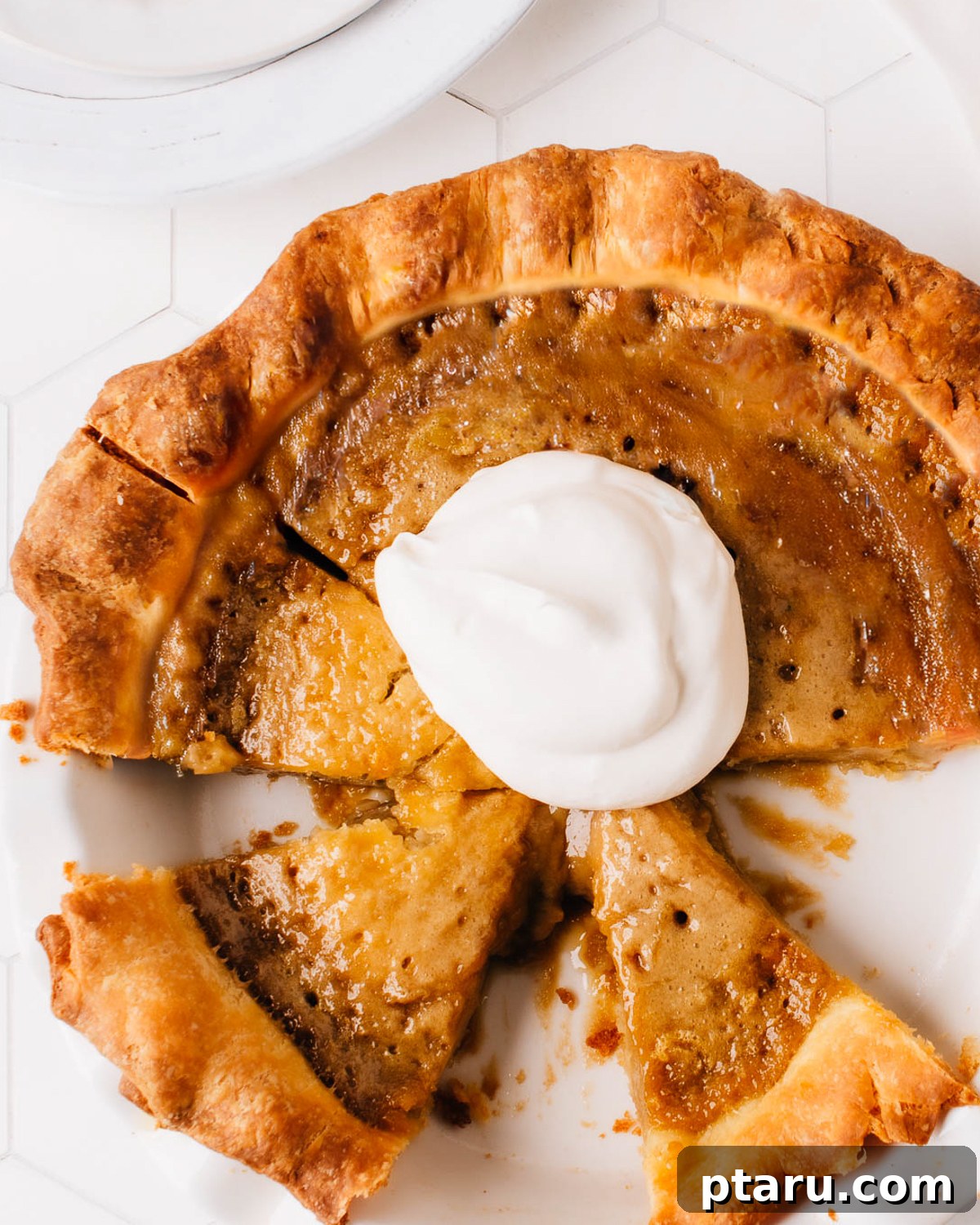
Tarte au Sucre (Belgian Sugar Pie): Brown sugar and cream set into a soft caramel custard—simple ingredients that produce a rich holiday staple.
Berry and Stone Fruit Pies
Summer fruit pies depend on a good thickener and patience. Let the filling bubble properly, then cool fully so the texture sets.
Blueberry Pie
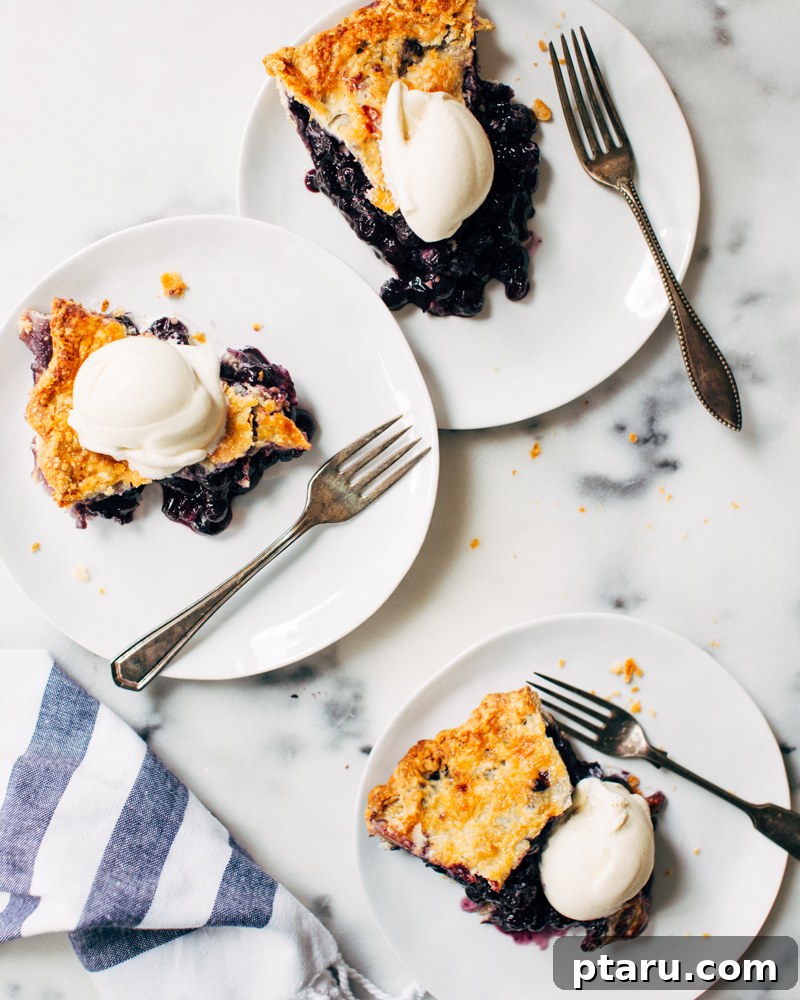
Blueberry Pie: Cook some of the berries first and fold in the rest raw for a filling that holds together while preserving fresh fruit flavor.
Strawberry Rhubarb Pie
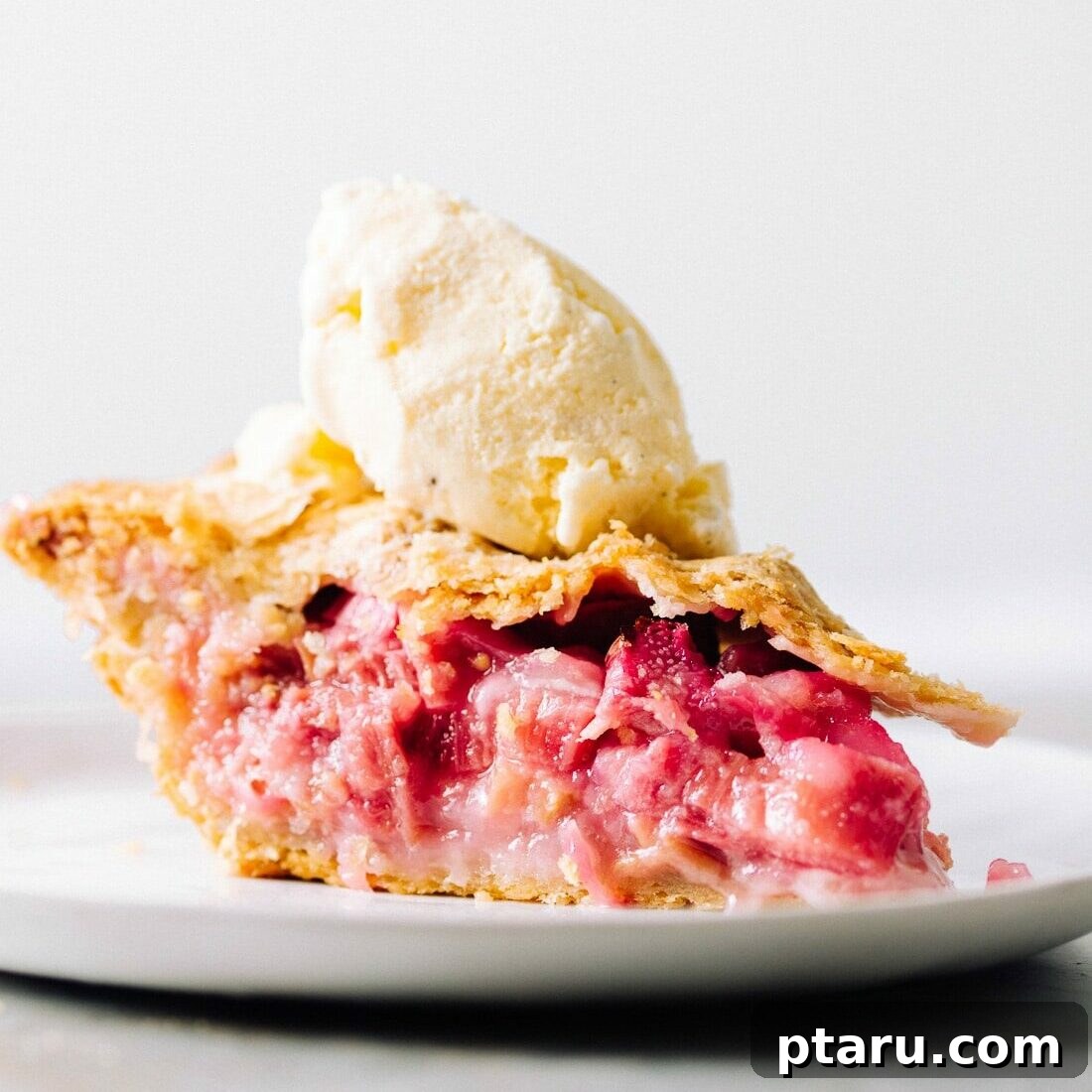
Strawberry Rhubarb Pie: The sweet-sour balance is classic. Rhubarb releases a lot of water, so pair it with a strong thickener and a vented top crust to let steam escape.
Strawberry Buttermilk Pie
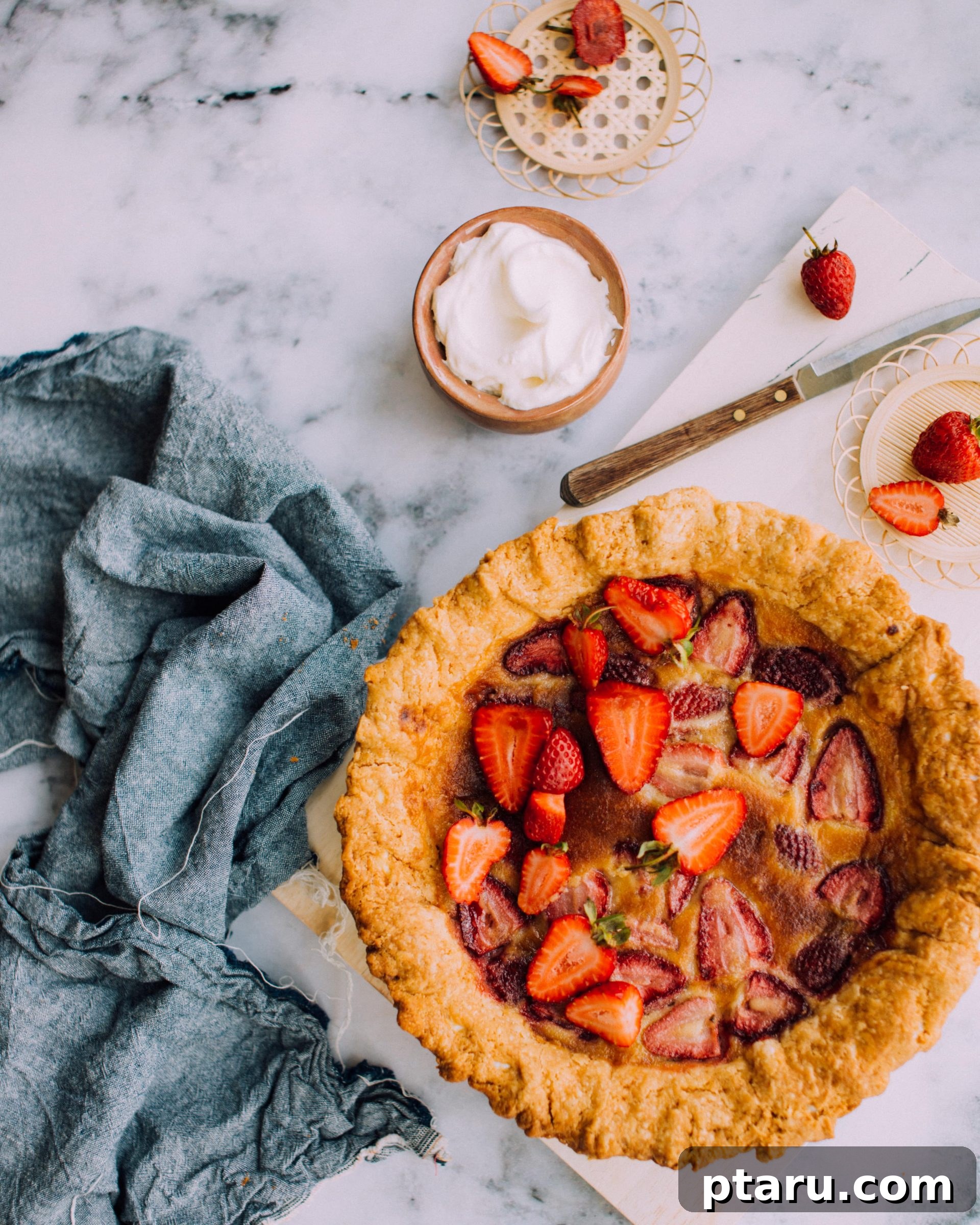
Strawberry Buttermilk Pie: A Southern-style custard with buttermilk for a pleasant tang that keeps the set tender rather than rubbery.
Cherry Almond Galette
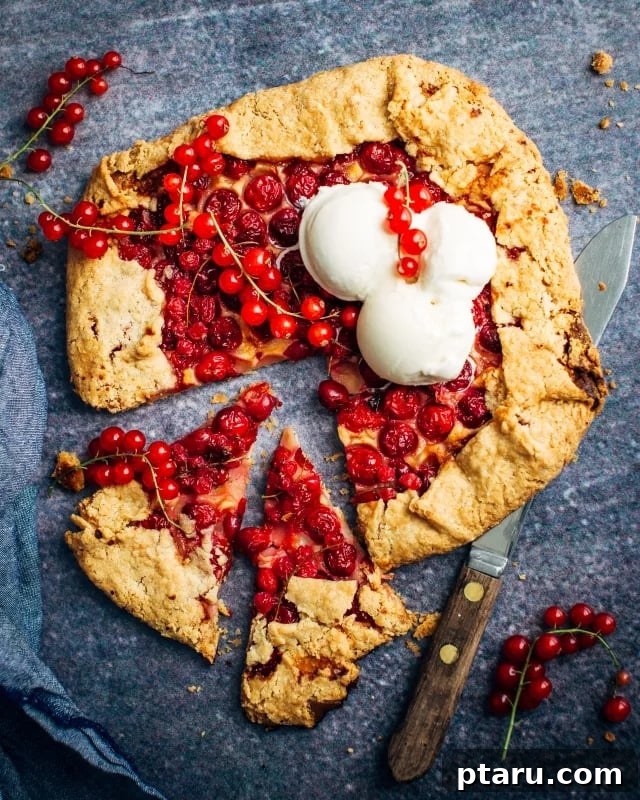
Cherry Almond Galette: A rustic free-form tart with no pie plate to fuss over. Folding the edges makes cracks look intentional and charming.
Cream Pie Recipes and No-Bake Pies
No-bake and chilled pies set in the refrigerator and are ideal for warm weather. They rely on proper chilling and stable fillings.
Chocolate Banana Cream Pie
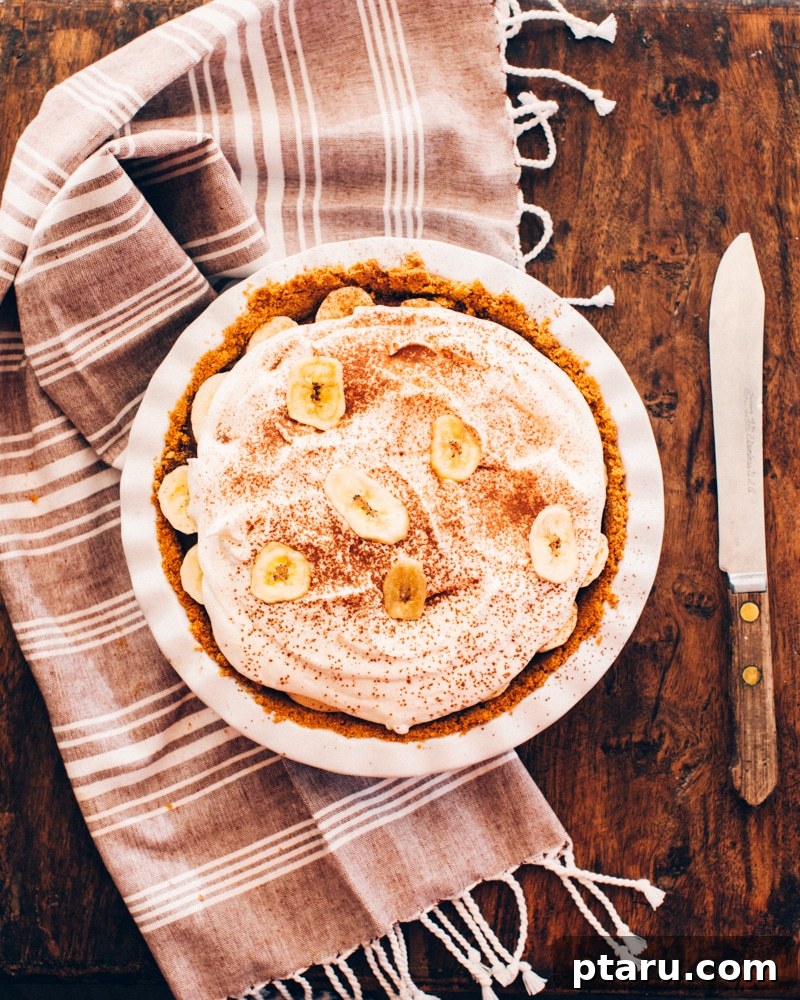
Chocolate Banana Cream Pie: Layers of chocolate pastry cream and banana beneath whipped cream. Chill thoroughly so slices hold their shape.
No-Bake Chocolate Tart
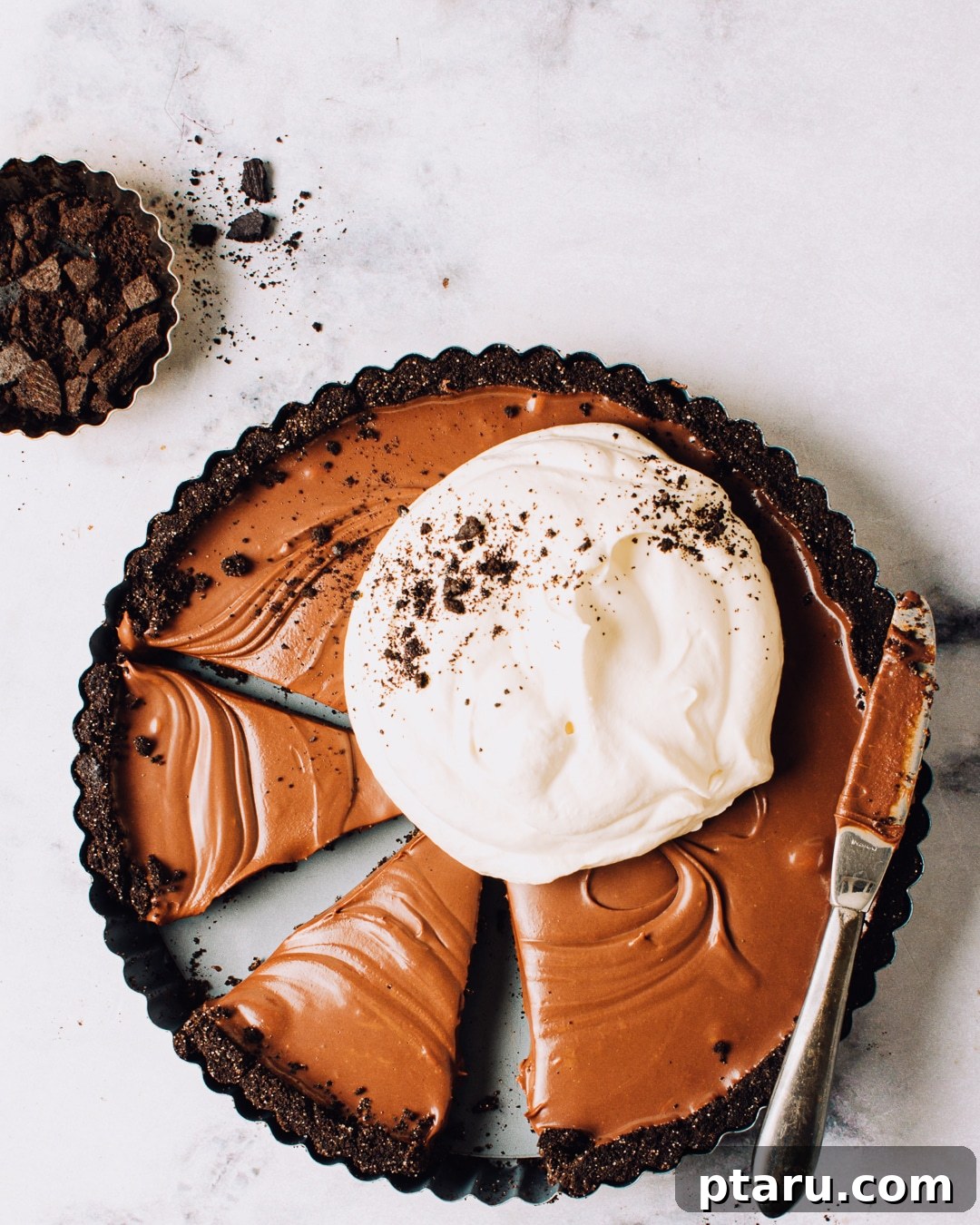
No-Bake Chocolate Tart: Minimal ingredients and no oven. Chill the ganache firm, and use a hot, dry knife for clean slices.
Peanut Butter Pretzel Pie
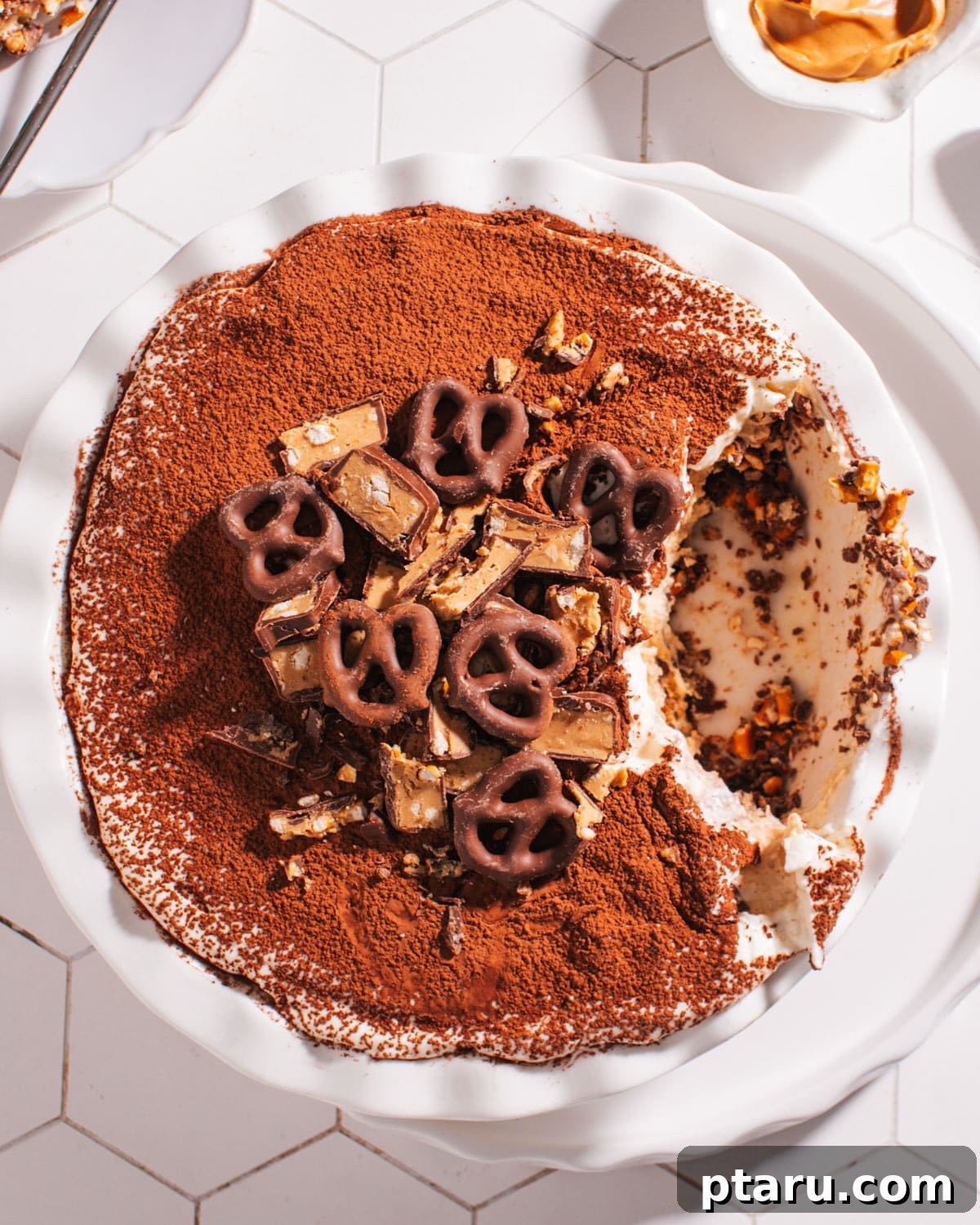
Peanut Butter Pretzel Pie: A salty pretzel crust under a light peanut butter filling—salt balances the sweetness and keeps the flavor lively.
Tart Recipes
Tarts are shallower and present bolder flavors; their thinner fillings need to stand out. These examples emphasize clean textures and bright profiles.
Easy Lemon Tart
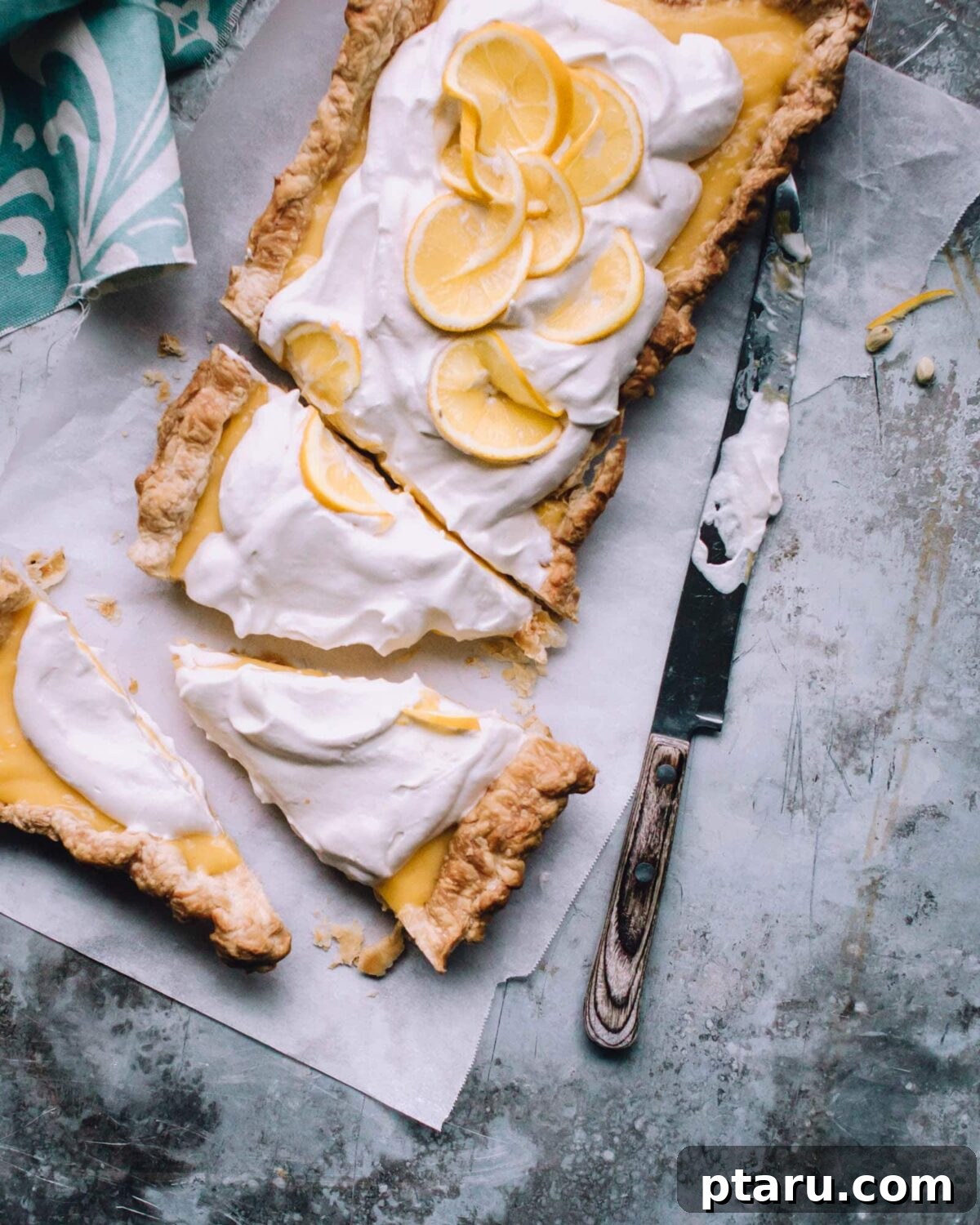
Easy Lemon Tart: Strain the curd before it fills the shell for a glossy, silky texture and a bright, clean lemon flavor.
Kiwi and Lime Curd Tart
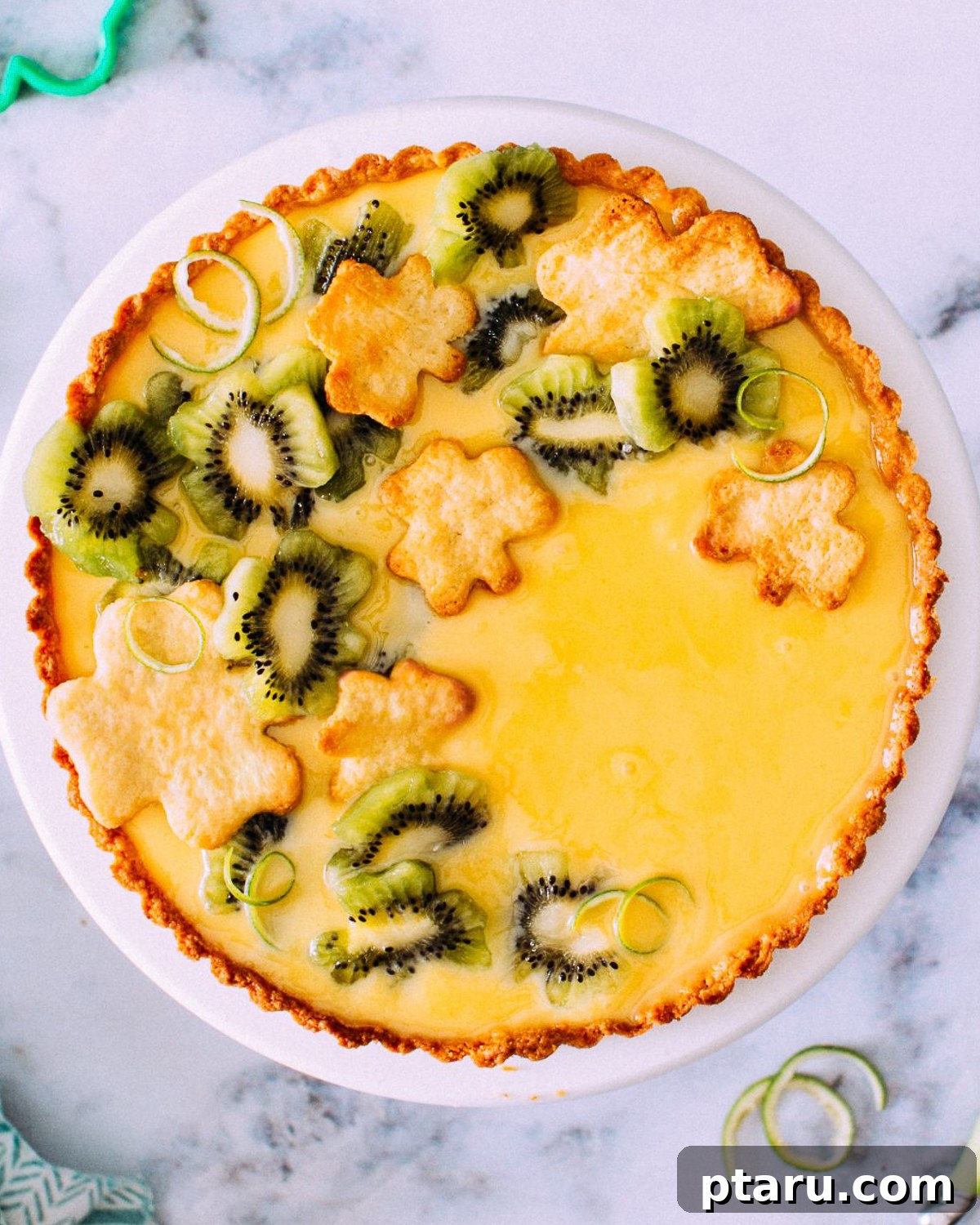
Kiwi and Lime Curd Tart: Tangy lime curd topped with sliced kiwi creates a fresh contrast of acids and a striking presentation.
Hand Pies and Turnovers
Portable pies for eating without plates. Vent each one to prevent trapped steam from bursting seams.
Rustic Blueberry Hand Pies
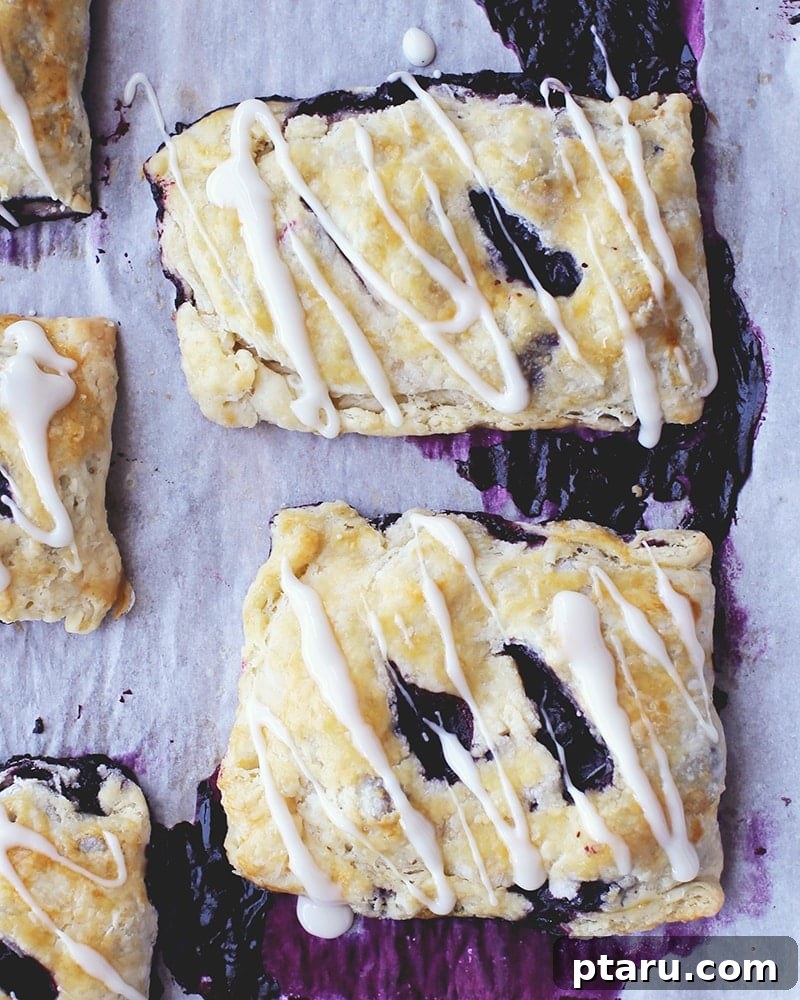
Rustic Blueberry Hand Pies: Small single-serve pies with top vents so the filling stays inside rather than spilling out while baking.
Savory Pie Recipes and Pot Pies
Savory pies are meals under pastry. Their fillings must be substantial and set firm enough to hold a slice—think gravy, not thin sauce.
Beef Pot Pie
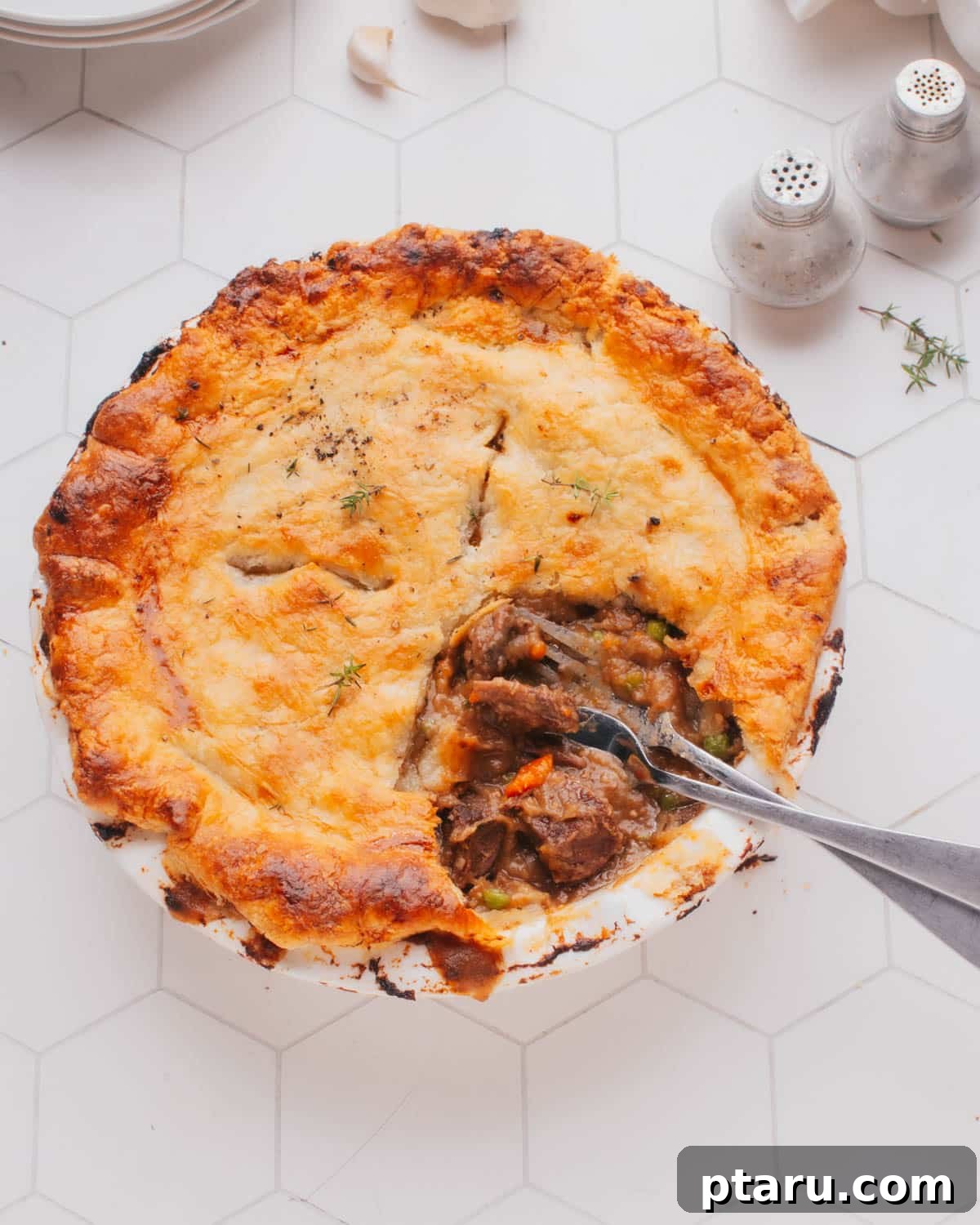
Beef Pot Pie: A proper braise develops flavor—sear the beef well to capture those browned notes you can’t recreate later.
Quiche and Savory Tarts
Always cook wet ingredients, like mushrooms or greens, before they meet the pastry so they don’t release water into the custard.
Perfect Spinach Mushroom Quiche
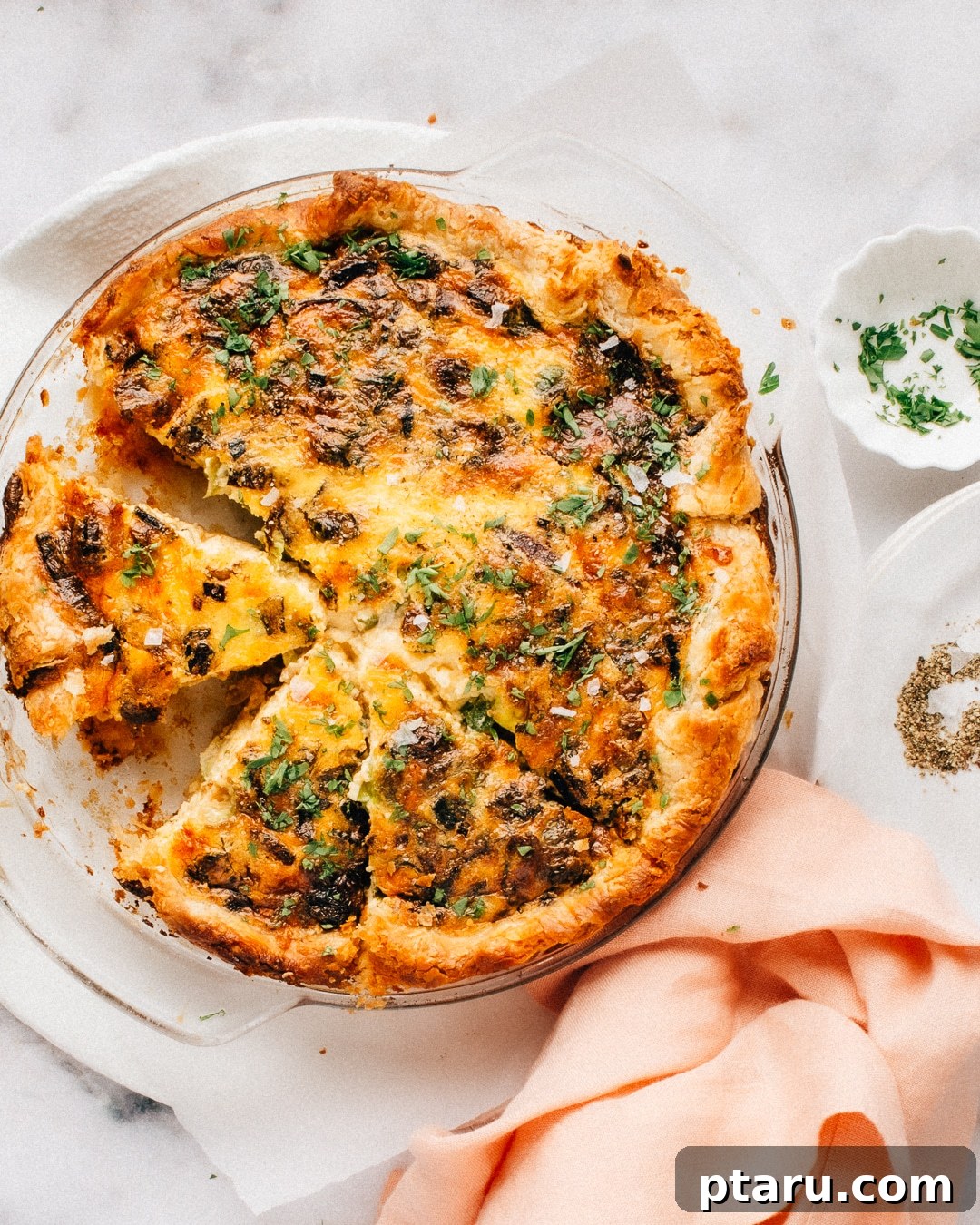
Perfect Spinach Mushroom Quiche: Cook mushrooms and spinach first to remove moisture. Start the oven hot to set the crust quickly.
Pie Crust Recipes
Two crusts cover virtually every recipe here: a rolled crust and a press-in crust. Neither requires a food processor.
Foolproof Pie Crust
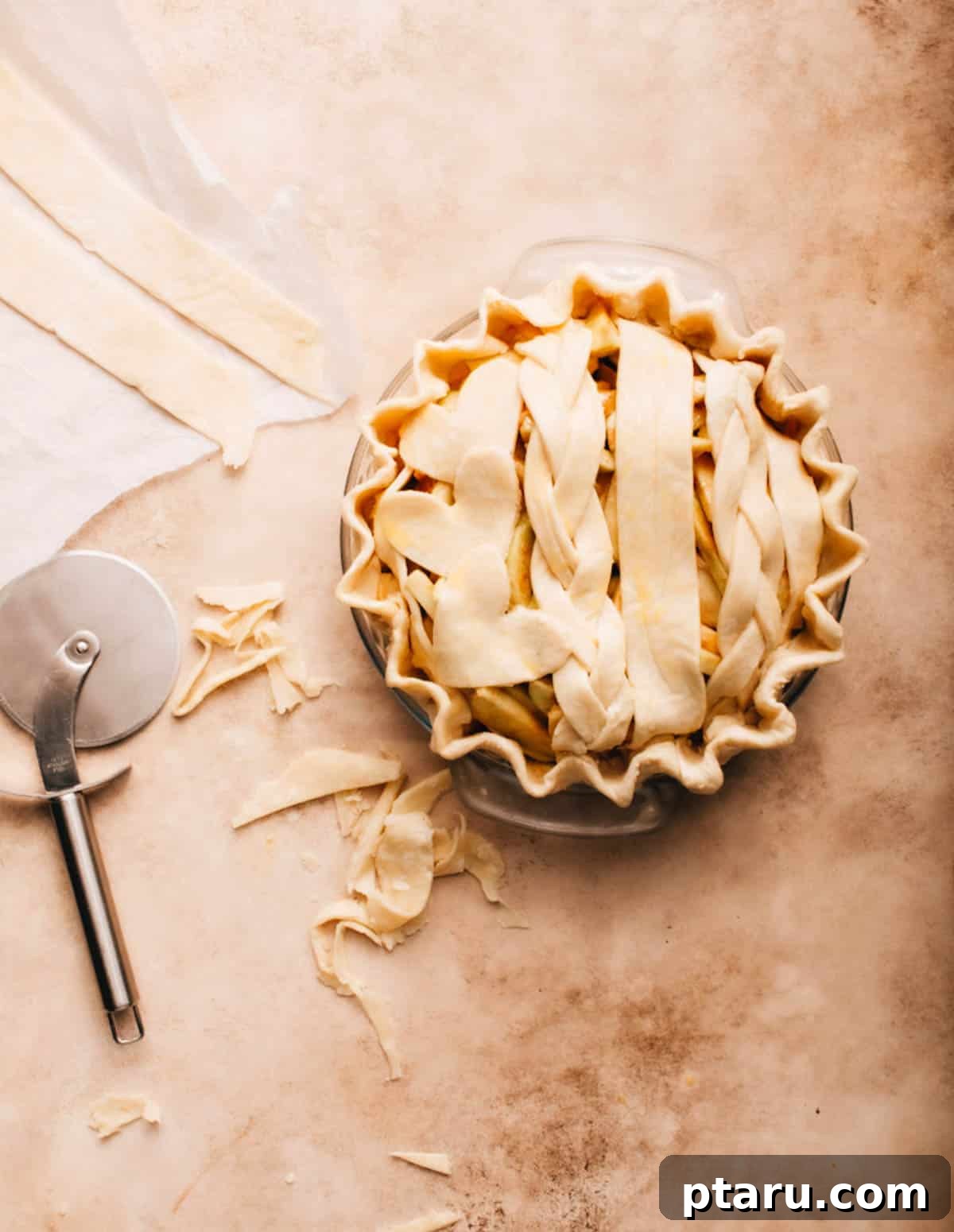
Foolproof Pie Crust: Keep the butter cold in visible flakes; those flakes steam in the oven and create a flaky structure.
No Roll Pie Crust
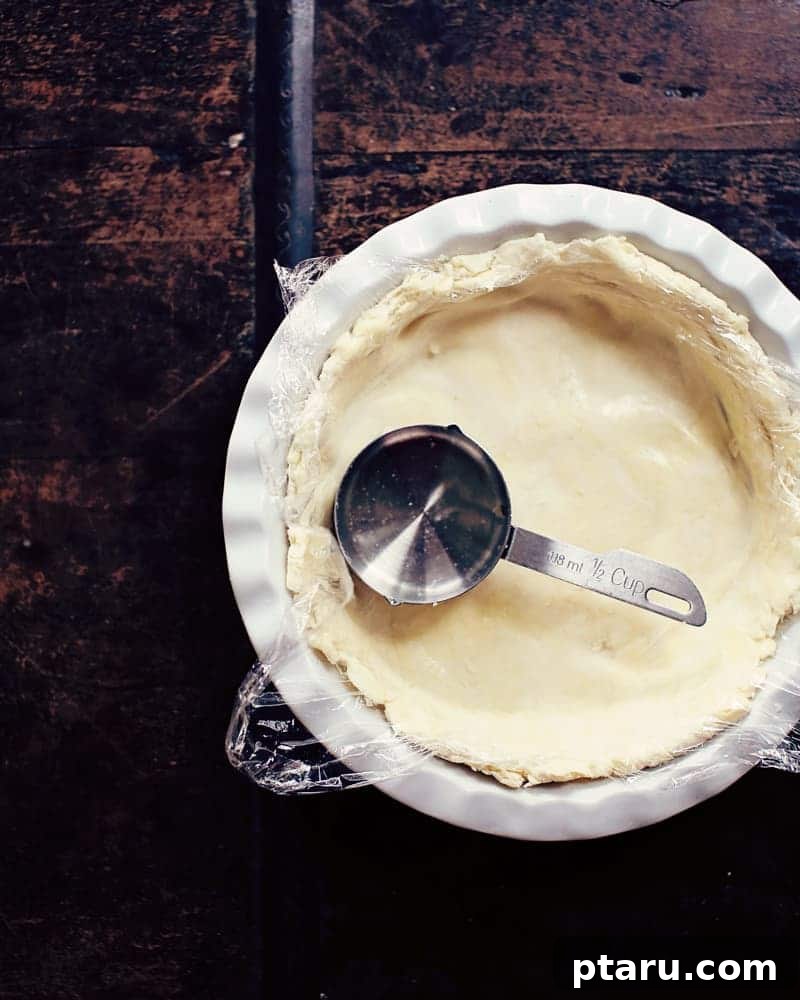
No Roll Pie Crust: Pressed into the plate with your fingers, it eliminates rolling, transferring and tearing—and it’s fast and forgiving.
Cobblers, Crisps and Crumbles
Fruit-forward desserts without delicate pastry. They’re ideal when fruit is at peak ripeness and you don’t want to fuss with dough.
Easy Peach Cobbler
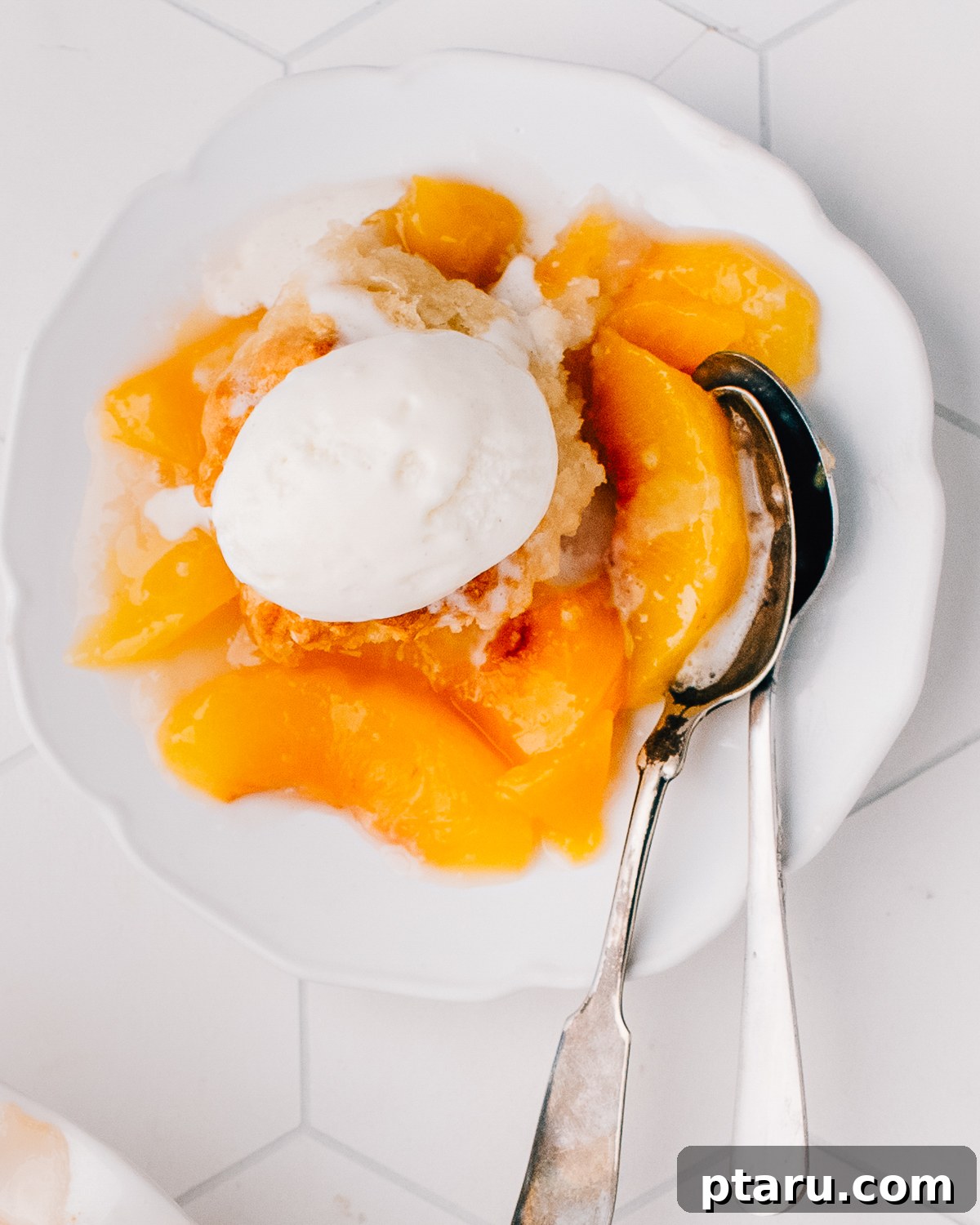
Easy Peach Cobbler: Batter placed first with fruit on top—during baking the batter rises through the peaches to create a tender, fruit-studded topping.
Tips That Make Any Pie Better
Five practical rules that apply to most pies:
- Keep everything cold. Cold butter, cold liquid and cold hands protect pastry structure.
- Bake on a preheated sheet pan. Direct heat from below helps set the bottom crust before it can soak up filling moisture.
- Let the filling bubble. Starches need a full boil to activate—pulling a pie early leaves it soupy.
- Cool completely before slicing. Fruit fillings set as they cool; slicing warm commonly causes running.
- Protect the edges. Rims brown sooner than centers—use foil or a shield partway through baking to prevent overbrowning.
Visible cold butter flakes are the key. As they steam in the oven they push the dough into layers. If the butter warms and blends into the flour, the crust bakes dense.
Sogginess comes from filling moisture soaking into raw dough before it sets. Bake on a preheated sheet, start the oven hot, and consider a barrier like almond cream or crumbs under the filling.
Blind baking suits wet or unbaked fillings such as custards and some quiches. Double-crust fruit pies usually bake long enough to cook the bottom without blind baking.
Use a starch thickener and give the filling time to bubble in the oven. Cornstarch, flour or tapioca all work when the filling reaches a full boil; then cool completely before slicing.
A cobbler has a biscuit or batter topping. A crisp includes oats for crunch. A crumble is a streusel of flour, butter and sugar without oats.
Yes—pie dough benefits from resting. Wrapped and refrigerated, it will keep up to 3 days; frozen, up to 3 months. Resting hydrates the flour and relaxes gluten.
Firm, tart apples hold their shape best in pies because their pectin and cell walls break down more slowly in the oven. Choose firm varieties for distinct slices.
Fruit pies keep at room temperature for up to two days under a loose cover. Pies with egg or dairy fillings—cream pies, custards, quiches—should be refrigerated within two hours.
Other Recipe Collections You’ll Love
- 21 Unique Apple Recipes (Way Beyond Pie!)
- My Best Summer Fruit Desserts
- My Best No-Bake Desserts
- 16 Easy Pumpkin Dessert Recipes
- 24+ Best Chocolate Christmas Desserts
- Valentine’s Day Desserts